9 Beginner-Friendly Tips to Build a Compact yet Vibrant Home Garden
9 Beginner-Friendly Tips to Build a Compact yet Vibrant Home Garden
🌱 Tip 1: Start with a Well-Planned Layout for Maximum Space Efficiency
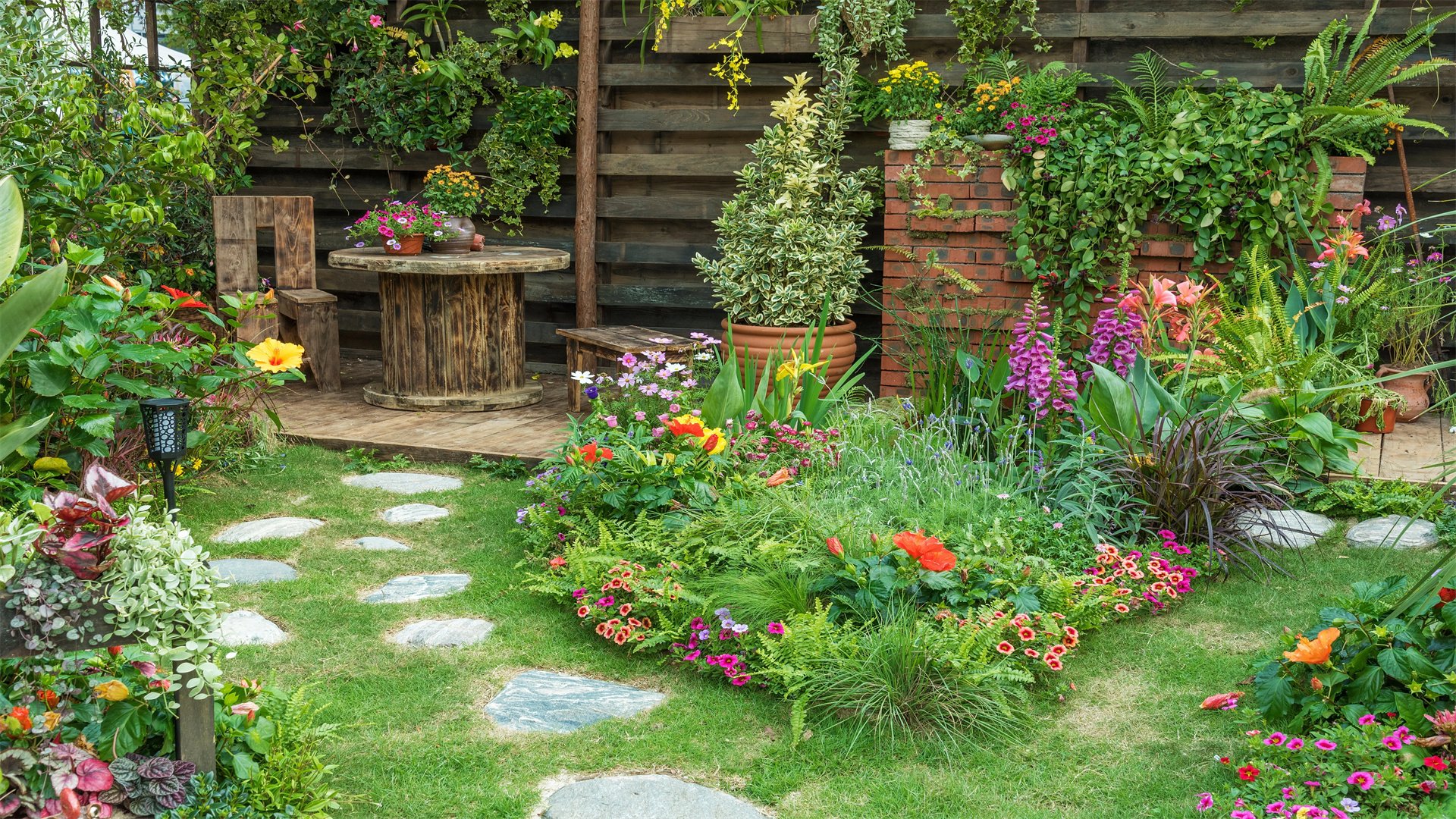
Advantages of a Good Layout
- Maximizes use of limited space by avoiding wasted areas.
- Improves air circulation and reduces disease risks by preventing overcrowding.
- Enhances aesthetic appeal through organized designs, such as geometric patterns or themed sections.
- Makes watering, pruning, and harvesting more convenient with clear pathways.
Disadvantages of Poor Planning
- Can lead to plant competition for resources like light and nutrients, stunting growth.
- May result in a cluttered look that feels overwhelming rather than vibrant.
- Increases maintenance difficulty, discouraging beginners from consistent care.
How to Implement an Effective Layout
- Assess Your Space: Measure the dimensions of your garden area, whether it's a balcony, windowsill, or small yard. Note sunlight patterns throughout the day—most vegetables and flowers need at least 6 hours of direct sun, while shade-loving plants thrive in low light.
- Choose a Design Style: Opt for styles like vertical gardening, container clusters, or raised beds. For example, vertical structures like trellises or wall planters save floor space, while raised beds define areas and improve soil drainage.
- Group Plants Strategically: Place taller plants at the back or center to avoid shading shorter ones. Use companion planting principles—such as pairing tomatoes with basil to repel pests—to boost health and yield.
- Incorporate Pathways: Leave narrow walkways between beds or containers for easy access. Use materials like gravel, stepping stones, or mulch to define paths and reduce mud.
- Test with Mock-Ups: Before planting, arrange pots or markers in your space to see how the layout feels. Adjust as needed to ensure balance and functionality.
🌿 Tip 2: Select the Right Plants for Your Climate and Space
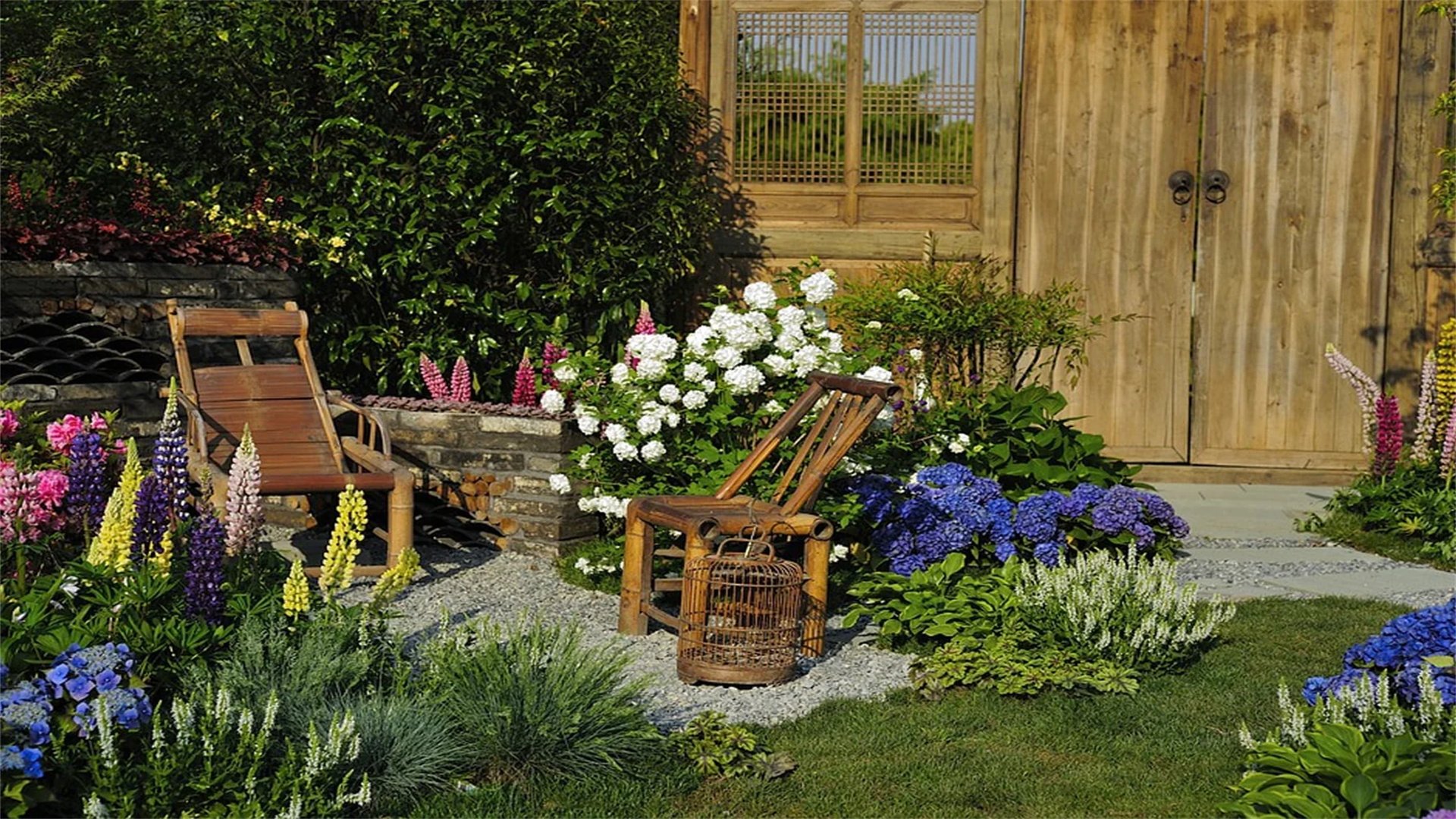
Advantages of Smart Plant Selection
- Reduces failure rates by matching plants to environmental conditions, such as temperature and humidity.
- Minimizes maintenance needs with drought-tolerant or slow-growing varieties.
- Enhances visual interest through a mix of colors, textures, and blooming seasons.
- Supports biodiversity by attracting pollinators like bees and butterflies with native species.
Disadvantages of Poor Choices
- Can lead to plant death or poor growth if unsuitable for the climate, wasting time and money.
- May require excessive watering, fertilizing, or pruning, overwhelming beginners.
- Could invade space aggressively, as with some fast-spreading ground covers or vines.
How to Implement Plant Selection
- Research Your Hardiness Zone: Use resources like the USDA Plant Hardiness Zone Map to identify plants that thrive in your area. For instance, succulents are ideal for dry climates, while ferns excel in humid regions.
- Opt for Compact and Dwarf Varieties: Choose plants bred for small spaces, such as patio tomatoes, dwarf citrus trees, or miniature roses. These stay manageable and produce abundant yields without taking over.
- Consider Multi-Functional Plants: Select herbs like mint or thyme that offer culinary uses and pest repellent properties. Edible flowers like nasturtiums add color and can be used in salads.
- Mix Annuals and Perennials: Combine annuals (e.g., marigolds, petunias) for seasonal color with perennials (e.g., lavender, hostas) for year-round structure. This ensures constant vibrancy.
- Check Light Requirements: Match plants to your garden's light conditions. For shady spots, try coleus or impatiens; for sunny areas, opt for zinnias or peppers.
📶 Tip 3: Utilize Vertical Gardening to Expand Growing Area
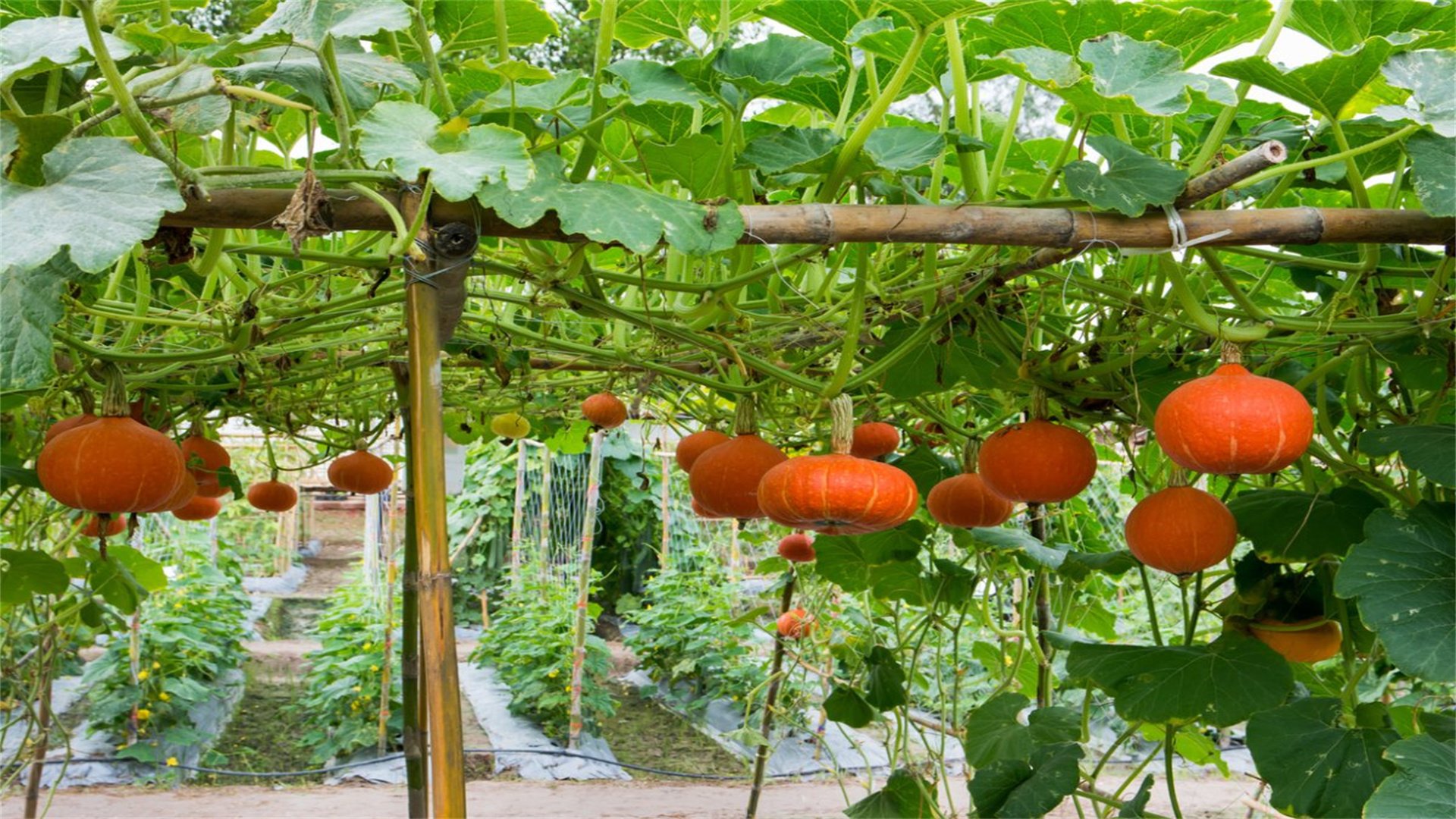
Advantages of Vertical Gardening
- Doubles or triples growing space in small areas like balconies or patios.
- Improves air circulation around plants, reducing fungal diseases.
- Adds visual depth and interest, creating a lush, green wall effect.
- Makes harvesting easier at eye level, reducing bending and strain.
Disadvantages to Consider
- May require initial investment in structures like shelves or climbing frames.
- Can lead to uneven watering if not properly managed, as upper plants might dry out faster.
- Might need secure anchoring to prevent toppling in windy conditions.
How to Implement Vertical Gardening
- Choose Suitable Structures: Start with simple options like wall-mounted planters, pallet gardens, or tiered shelves. For climbing plants, install trellises made of wood or metal against walls.
- Select Climbing and Trailing Plants: Grow vines like peas, beans, or ivy that naturally climb. For trailing effects, use strawberries, sweet potato vines, or pothos in hanging baskets.
- Ensure Proper Support: Secure structures to stable surfaces using screws or brackets. For heavy planters, distribute weight evenly to avoid damage.
- Manage Watering and Drainage: Use self-watering systems or drip irrigation to ensure consistent moisture. Add drainage holes to containers to prevent root rot.
- Rotate Plants Seasonally: Change out plants based on seasons—for example, grow leafy greens in spring and flowering vines in summer—to maintain year-round vibrancy.
✨ Tip 4: Invest in Quality Soil and Fertilizers for Healthy Growth
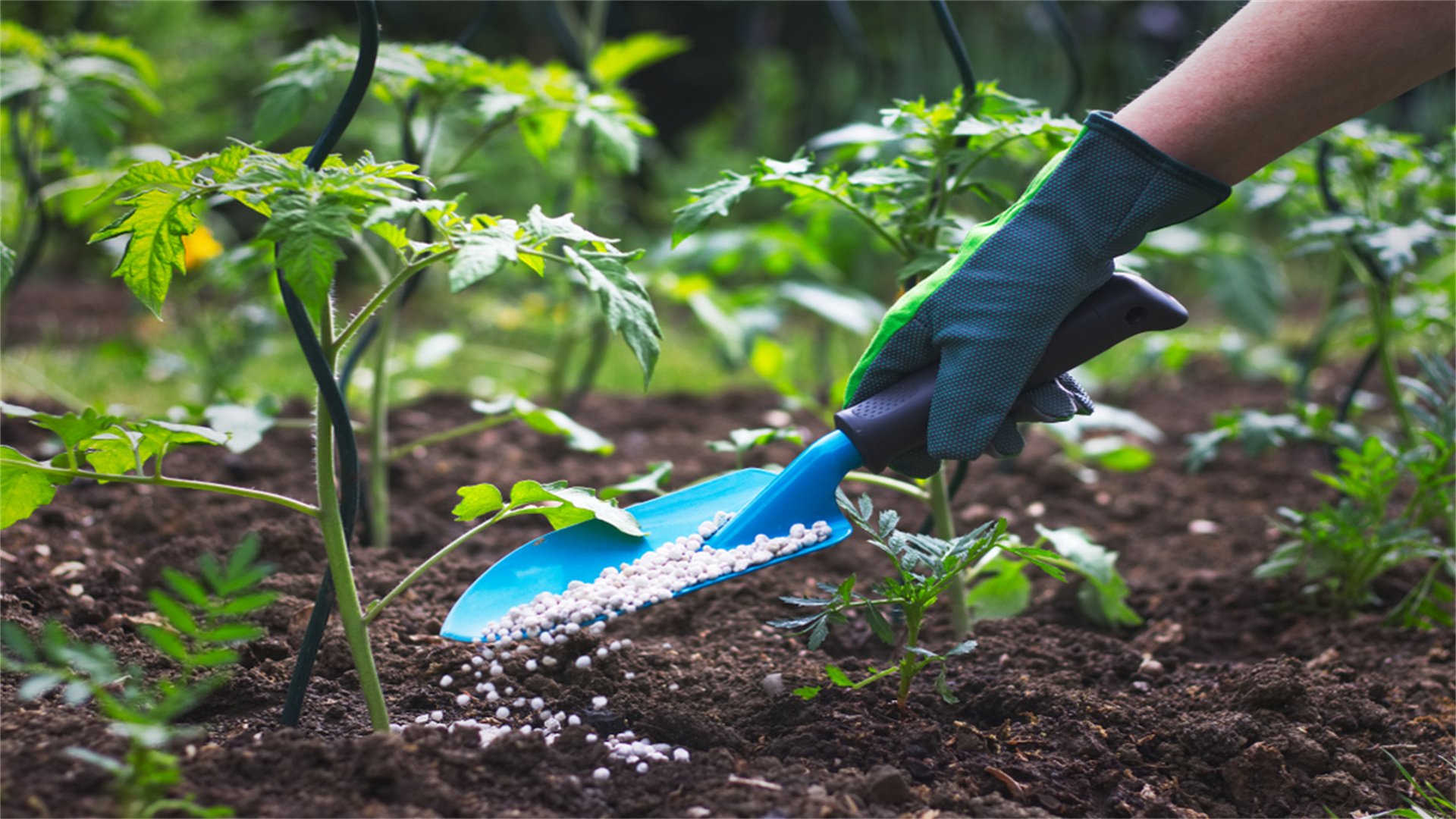
Advantages of Good Soil and Fertilizers
- Promotes strong root development and faster growth, especially in confined containers.
- Enhances water retention while preventing waterlogging, reducing watering frequency.
- Supplies essential nutrients like nitrogen, phosphorus, and potassium for lush foliage and blooms.
- Reduces pest and disease issues by fostering resilient plants.
Disadvantages of Neglecting Soil
- Can cause nutrient deficiencies, stunting plants or causing yellowing leaves.
- May lead to compaction in containers, restricting root growth and oxygen flow.
- Increases reliance on chemical fixes, which can harm beneficial soil organisms.
How to Implement Soil and Fertilizer Management
- Test Your Soil: Use a home test kit to check pH and nutrient levels. Most plants prefer slightly acidic to neutral soil (pH 6.0-7.0). Amend as needed with lime to raise pH or sulfur to lower it.
- Choose the Right Potting Mix: For containers, use a lightweight, peat-based mix with added perlite or vermiculite for drainage. Avoid garden soil, which can compact and harbor pests.
- Incorporate Organic Matter: Mix in compost, worm castings, or aged manure to enrich soil. This improves texture and provides slow-release nutrients.
- Apply Fertilizers Wisely: Use balanced, water-soluble fertilizers every 2-4 weeks during growing seasons. For organic options, try fish emulsion or seaweed extracts. Follow label instructions to avoid over-fertilization, which can burn roots.
- Refresh Soil Annually: In small gardens, replace or top-dress container soil each spring to replenish nutrients. For in-ground beds, add a layer of compost to maintain fertility.
💧 Tip 5: Master Watering Techniques for Consistent Moisture
Advantages of Effective Watering
- Prevents stress from drought or waterlogging, promoting steady growth and blooming.
- Conserves water by reducing runoff and evaporation, making your garden eco-friendly.
- Saves time with automated systems, allowing for consistent care even during busy periods.
- Enhances plant resilience against heatwaves or dry spells.
Disadvantages of Improper Watering
- Can cause root rot or fungal diseases from excess moisture, particularly in poorly drained containers.
- May lead to wilting or leaf drop from underwatering, especially in hot weather.
- Wastes resources and increases utility bills if done inefficiently.
How to Implement Watering Techniques
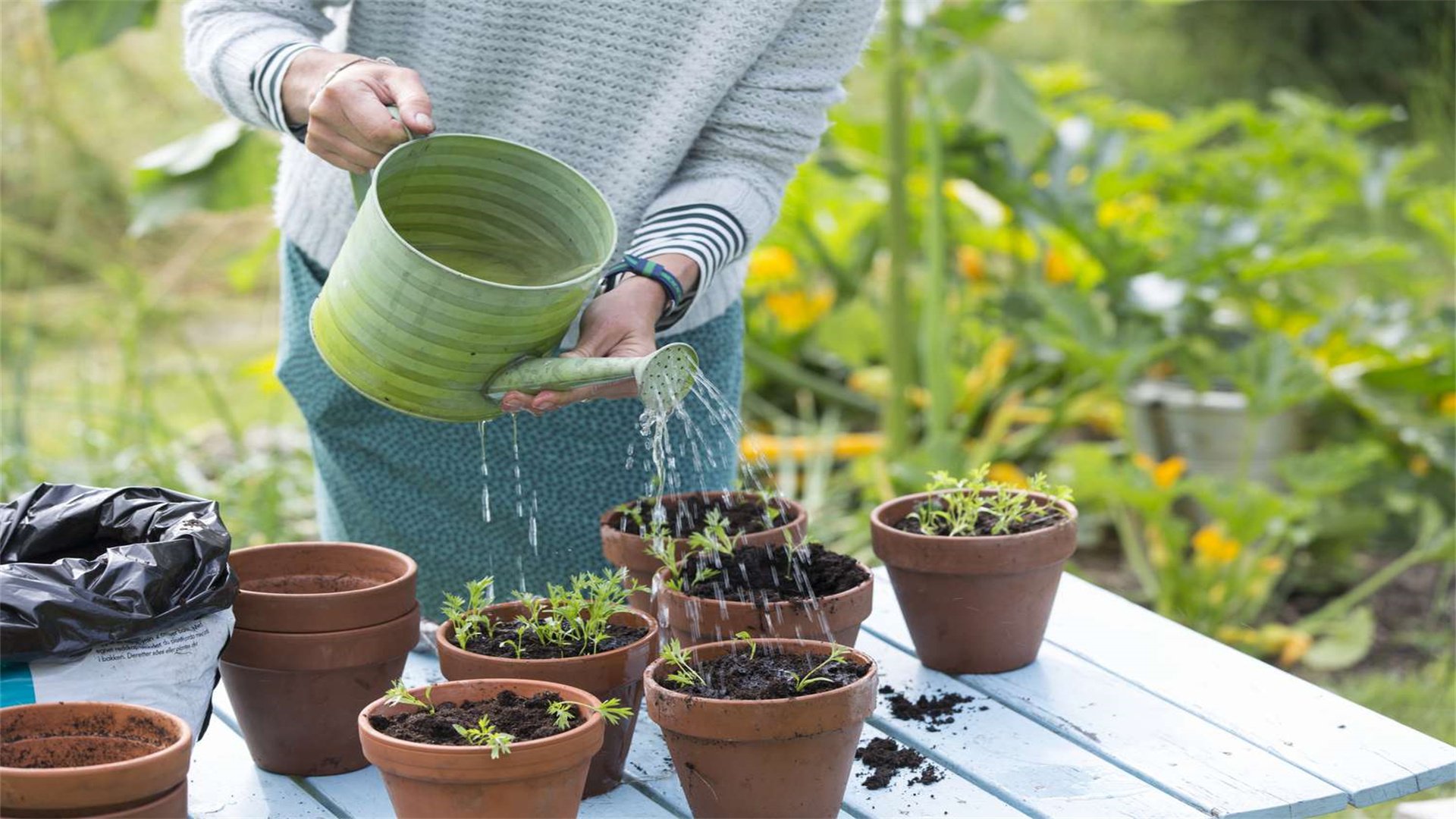
- Water Deeply and Infrequently: Instead of light daily sprinkles, water thoroughly until it drains from container bottoms. This encourages deep root growth. Check soil moisture by sticking a finger 1-2 inches deep—water only if dry.
- Use the Right Tools: Opt for watering cans with long spouts for precision, or soaker hoses and drip irrigation systems for automated, even distribution. For small spaces, self-watering pots with reservoirs can reduce frequency.
- Time Your Watering: Water early in the morning to minimize evaporation and allow leaves to dry before night, reducing disease risk. Avoid midday watering in hot climates, as it can scorch plants.
- Adjust for Seasons and Weather: Increase watering in summer or during dry spells, and reduce in cooler months. Monitor rainfall and use mulch to retain moisture in soil.
- Group Plants by Water Needs: Place thirstier plants like tomatoes together, and drought-tolerant ones like succulents in separate areas. This simplifies watering routines and prevents over- or under-watering.
🏺 Tip 6: Incorporate Creative Containers for Flexibility and Style
Advantages of Using Containers
- Allows gardening in non-traditional spaces like rooftops, stairways, or indoors.
- Provides better control over soil quality and drainage, reducing disease risks.
- Facilitates easy rearrangement for design changes or optimal sunlight exposure.
- Adds aesthetic variety with colors, shapes, and textures that enhance garden vibrancy.
Disadvantages to Watch For
- Can dry out faster than in-ground beds, requiring more frequent watering.
- May become heavy and difficult to move, especially with large plants.
- Might crack in freezing temperatures if not made of frost-resistant materials.
How to Implement Container Gardening
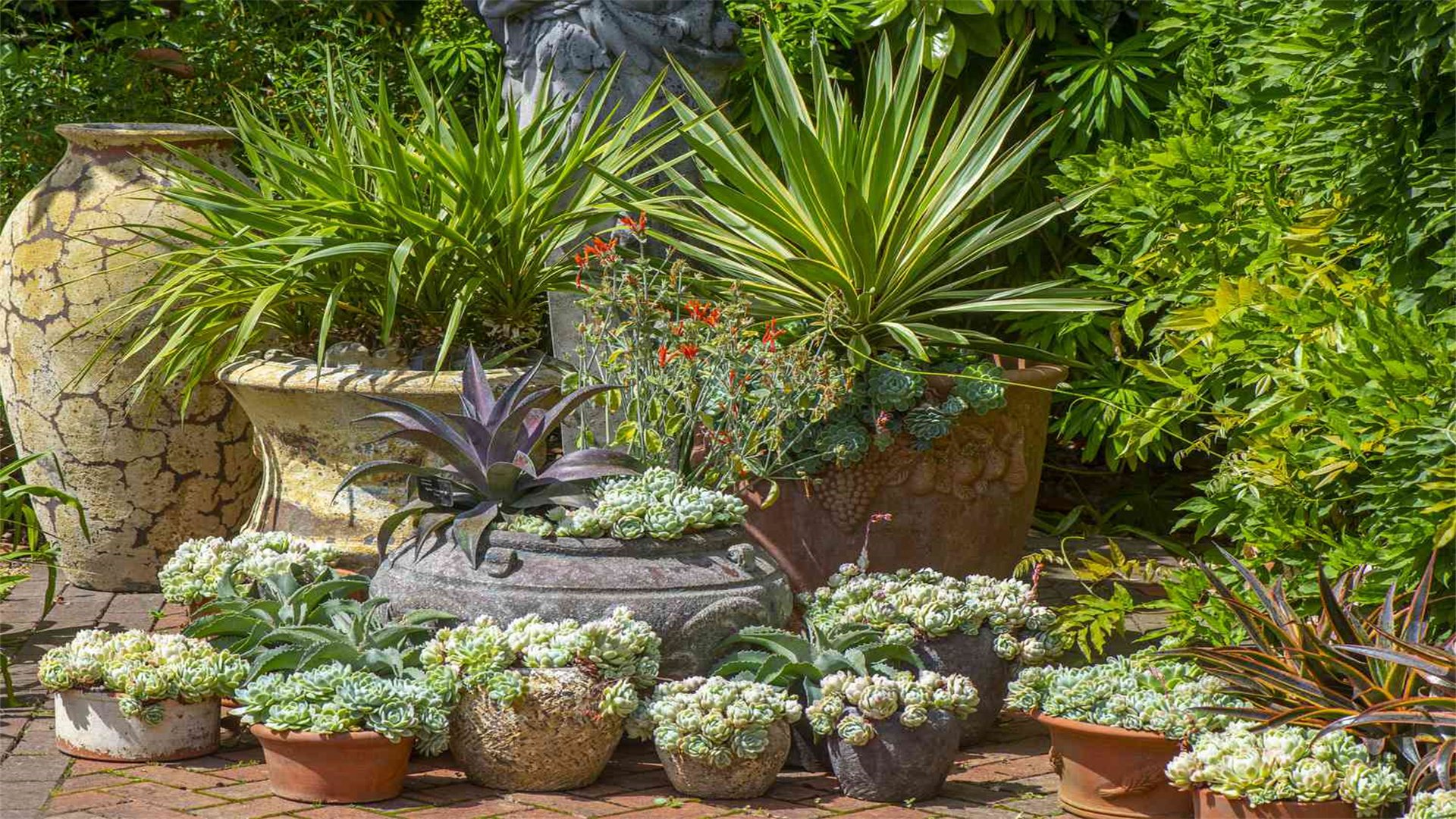
- Select Appropriate Containers: Choose pots with drainage holes to prevent water buildup. Materials like terracotta breathe well but dry quickly; plastic retains moisture but may degrade over time. Consider size—larger pots hold more soil and moisture, reducing maintenance.
- Repurpose Everyday Items: Get creative with old buckets, wooden crates, or tin cans for a unique look. Ensure they're cleaned and drilled with holes for drainage.
- Arrange for Visual Impact: Group containers in clusters of varying heights using stands or shelves. Place taller pots at the back and trailing plants at the edges for a layered effect.
- Ensure Proper Planting: Fill containers with quality potting mix, leaving an inch at the top for watering. Plant at the same depth as in nursery pots, and water thoroughly after planting.
- Maintain Container Health: Rotate pots occasionally for even light exposure. Clean containers annually to remove salt buildup or pathogens, and replace cracked ones to prevent accidents.
🐞 Tip 7: Implement Integrated Pest Management (IPM) for Natural Control

Advantages of IPM
- Reduces reliance on pesticides, protecting beneficial insects and the environment.
- Prevents pest outbreaks through early detection and cultural practices.
- Saves money by using household items or natural predators for control.
- Promotes plant health by addressing underlying issues like poor soil or overcrowding.
Disadvantages of Ignoring Pest Control
- Can lead to significant crop loss or plant death, especially in small spaces where pests spread quickly.
- May require costly treatments if infestations become severe.
- Could harm pollinators or other wildlife with chemical misuse.
How to Implement IPM
- Prevent Problems: Start with healthy plants from reputable sources. Keep the garden clean by removing dead leaves and debris where pests hide. Use physical barriers like row covers or netting to protect plants.
- Monitor Regularly: Inspect plants weekly for signs of pests, such as holes in leaves or sticky residues. Identify common culprits like aphids, slugs, or spider mites using online guides or local extension services.
- Encourage Beneficial Insects: Plant flowers like marigolds, daisies, or yarrow to attract ladybugs, lacewings, and predatory wasps that eat pests. Avoid broad-spectrum insecticides that kill these helpers.
- Use Natural Remedies: For mild infestations, try homemade sprays with neem oil, insecticidal soap, or garlic solution. Apply in the evening to avoid sun damage. Handpick larger pests like caterpillars or snails.
- Rotate Crops and Diversify: In small gardens, change plant locations yearly to disrupt pest cycles. Grow a variety of plants to prevent single-species invasions and boost resilience.
☀️ Tip 8: Maximize Light Exposure for Optimal Growth
Advantages of Good Light Management
- Boosts plant growth, flowering, and fruiting, especially for sun-loving varieties.
- Prevents leggy or weak growth caused by insufficient light.
- Enhances leaf coloration and bloom intensity, adding to garden vibrancy.
- Extends growing seasons with supplemental lighting in indoor or shaded areas.
Disadvantages of Poor Light
- Can stunt growth or cause plants to stretch toward light, resulting in spindly stems.
- May reduce yields for edible plants like herbs or vegetables.
- Increases susceptibility to pests and diseases due to weakened plants.
How to Implement Light Optimization
- Assess Natural Light: Track sunlight in your garden over a few days, noting hours of direct and indirect light. Use a sun calculator app or simply observe shadows. Most plants need full sun (6+ hours), partial sun (4-6 hours), or shade (less than 4 hours).
- Position Plants Strategically: Place sun-loving plants like peppers or roses in the brightest spots. Use reflective surfaces like white walls or mirrors to bounce light onto shaded areas. Rotate containers regularly for even exposure.
- Prune for Light Penetration: Trim overgrown branches or leaves that block light to lower plants. In vertical gardens, ensure climbing plants don't overshadow others.
- Use Artificial Lighting: For indoor or low-light spaces, install LED grow lights with full-spectrum bulbs. Position them 6-12 inches above plants and set timers for 12-16 hours daily to mimic natural cycles.
- Choose Shade-Tolerant Plants: If light is limited, opt for species like ferns, begonias, or mint that thrive in lower light. This ensures vibrancy without struggling to increase exposure.
⏰ Tip 9: Establish a Regular Maintenance Routine for Long-Term Success
Advantages of a Maintenance Routine
- Prevents neglect that leads to weed overgrowth, pest infestations, or plant death.
- Encourages healthy growth through timely pruning and fertilizing.
- Makes gardening enjoyable by breaking tasks into manageable chunks.
- Extends the life of plants and garden structures, saving money on replacements.
Disadvantages of Irregular Care
- Can result in a messy, unattractive garden that loses its vibrant appeal.
- May require intensive补救 work, such as replanting or treating diseases, which is time-consuming.
- Discourages beginners from continuing due to perceived difficulty.
How to Implement a Maintenance Routine
- Create a Weekly Schedule: Dedicate 15-30 minutes daily or a few hours weekly for tasks. For example, water on Mondays, check for pests on Wednesdays, and prune on Fridays. Use a gardening app or journal to track progress.
- Focus on Key Tasks: Prioritize watering, deadheading (removing spent flowers), and weeding. In compact gardens, weeds can quickly take over—pull them early before they seed. Mulch with straw or wood chips to suppress weeds and retain moisture.
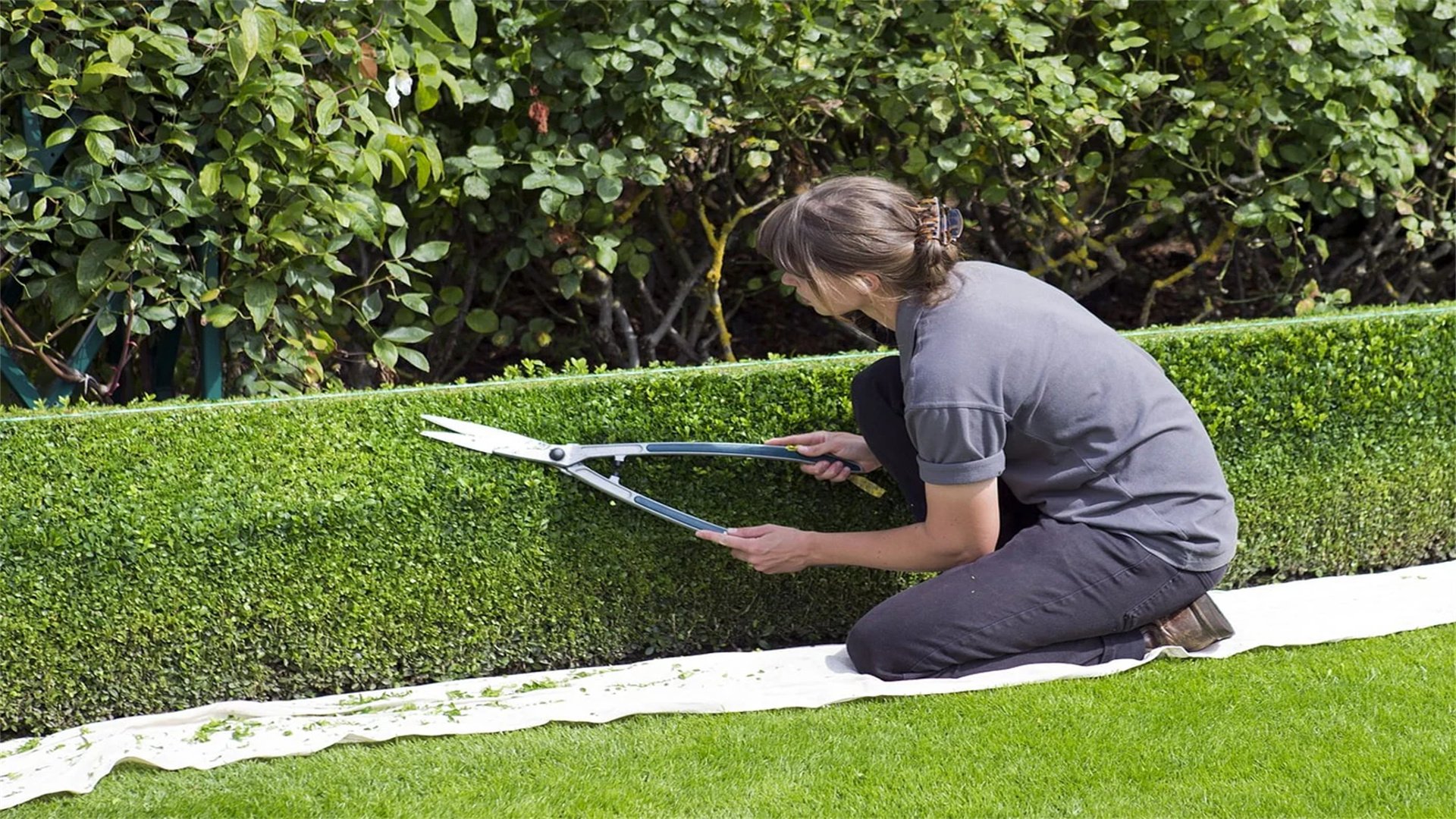
- Prune and Trim Regularly: Snip off dead or yellowing leaves to encourage new growth. For flowering plants, deadhead blooms to promote more flowers. Trim overgrown vines or shrubs to maintain shape and prevent overcrowding.
- Monitor Soil and Fertilize: Check soil moisture and nutrient levels monthly. Apply fertilizers as needed, and refresh mulch or compost to maintain soil health.
- Seasonal Clean-Up: At the end of each season, remove annual plants, clean containers, and prepare for next year. In fall, plant bulbs for spring color; in winter, protect sensitive plants with covers or bring them indoors.
Advertisement