How to Grow a Year-Round Vegetable Garden
How to Grow a Year-Round Vegetable Garden
Growing a year-round vegetable garden is a rewarding endeavor that allows you to enjoy fresh produce in every season, reduce food costs, and connect with nature. Unlike traditional gardening that peaks in summer, a year-round garden requires careful planning, selection of appropriate crops, and techniques to extend growing periods. This comprehensive guide will walk you through the essential methods, advantages, disadvantages, and step-by-step implementations to establish and maintain a productive vegetable garden throughout the year. By the end, you'll have the knowledge to overcome seasonal challenges and harvest bountiful yields even in colder months.
In this article, we'll explore key strategies such as choosing cold-hardy vegetables, utilizing protective structures like greenhouses, implementing crop rotation, and managing soil health. Each method is broken down into practical steps, backed by insights from gardening experts and successful year-round gardens worldwide. Whether you're a beginner or an experienced gardener, this guide will help you transform your garden into a continuous source of nourishment.
🌱 Method 1: Selecting Vegetables for Year-Round Growth
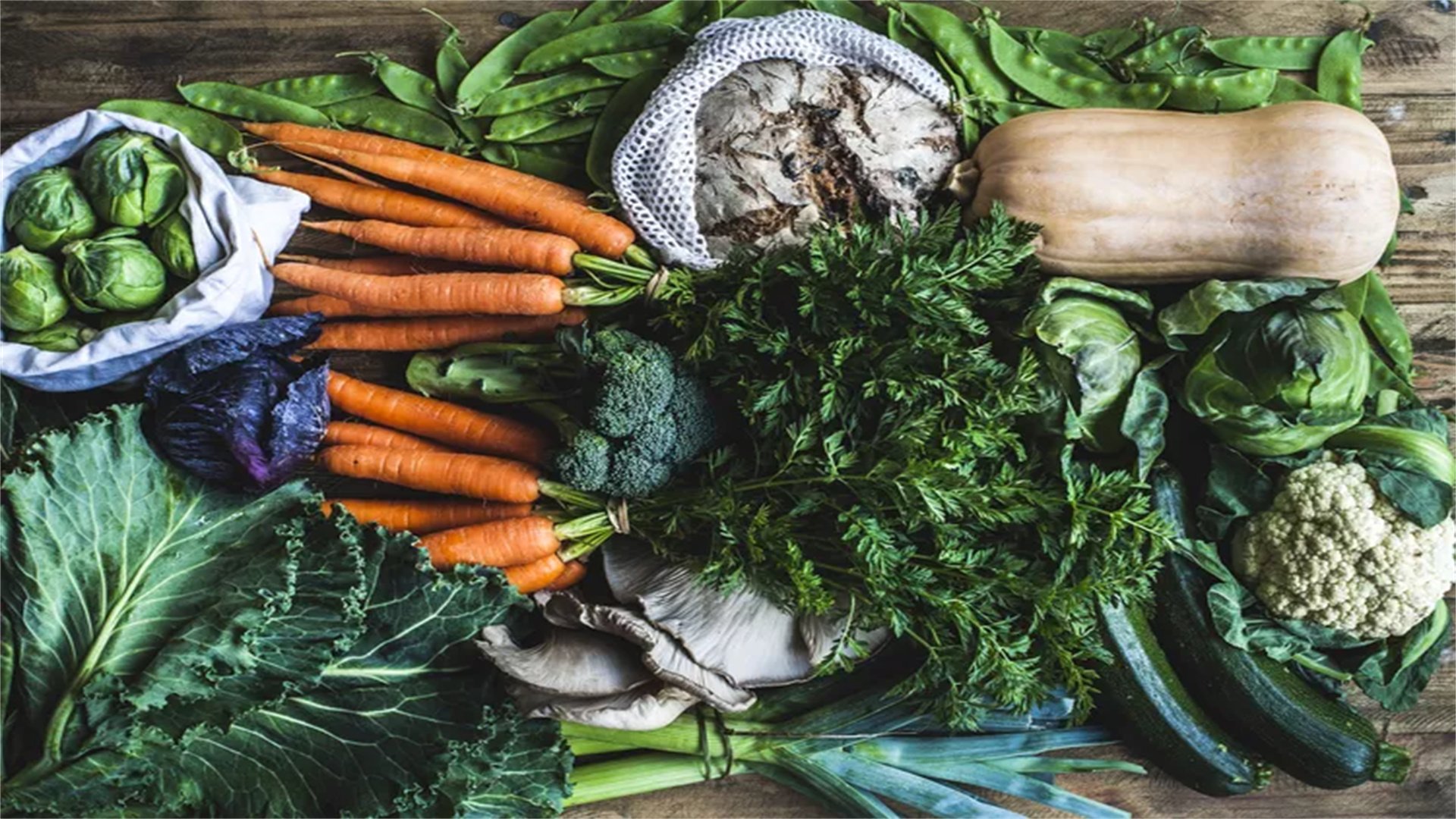
Choosing the right vegetables is crucial for a year-round garden. You need varieties that can thrive in different seasons, from frost-tolerant crops in winter to heat-loving plants in summer. This method focuses on identifying and planting vegetables that suit your local climate and seasonal changes.
Advantages and Disadvantages
Advantages:
- By selecting appropriate vegetables, you ensure a steady harvest cycle, reduce crop failure risks, and maximize garden space.
- It also promotes biodiversity and can improve soil health through varied root systems.
Disadvantages:
- It requires research and planning to match crops with seasons, and some vegetables may have limited availability or higher initial costs for seeds or seedlings.
- Additionally, in regions with extreme weather, finding suitable varieties can be challenging.
How to Implement
- Assess your climate zone: Determine your USDA hardiness zone or local equivalent to understand temperature ranges and frost dates. For example, in zone 5, winters are cold, so focus on hardy vegetables like kale and Brussels sprouts.
- Choose season-specific vegetables: For spring, plant peas, lettuce, and radishes; for summer, opt for tomatoes, peppers, and cucumbers; for fall, grow carrots, beets, and spinach; and for winter, select kale, leeks, and parsnips. Use seed catalogs or local nursery recommendations to find varieties bred for extended seasons.
- Stagger planting times: Implement succession planting by sowing seeds every 2-3 weeks to ensure continuous harvests. For instance, plant lettuce in early spring, then again in late summer for fall crops.
- Incorporate perennial vegetables: Add plants like asparagus, rhubarb, and artichokes that regrow yearly, reducing replanting effort and providing early-season yields.
- Test and adapt: Keep a gardening journal to record which vegetables perform best in each season, and adjust selections based on yield and pest resistance over time.
🏠 Method 2: Utilizing Protective Structures
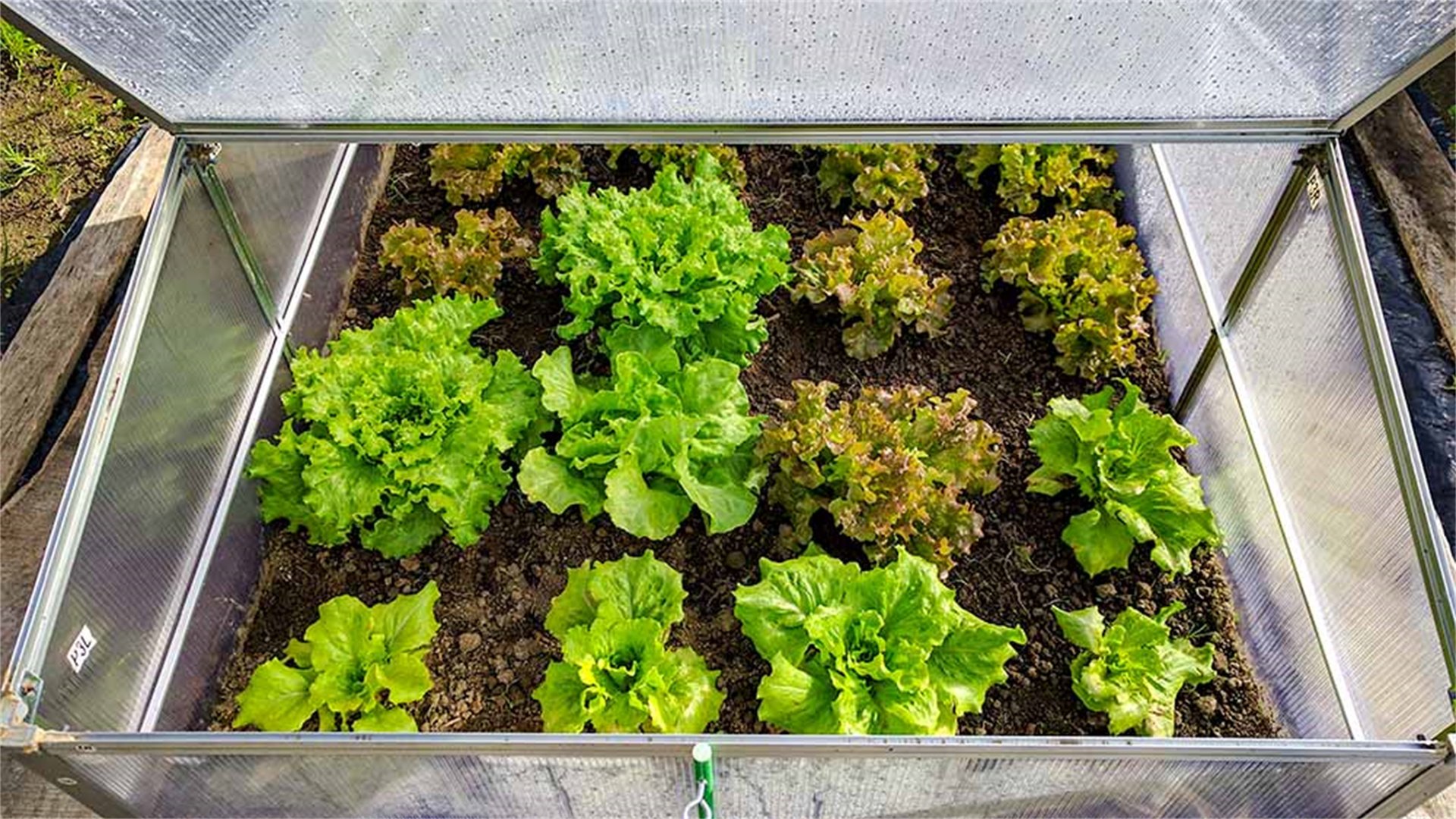
Protective structures, such as greenhouses, cold frames, and row covers, shield plants from harsh weather, extending the growing season into cooler months. This method involves building or installing structures to create microclimates that support vegetable growth year-round.
Advantages and Disadvantages
Advantages:
- These structures allow you to grow tender vegetables in winter, protect crops from frost and pests, and start seeds earlier in spring.
- They can increase yield and provide a controlled environment for delicate plants.
Disadvantages:
- Initial setup costs can be high, and structures require maintenance, such as cleaning and ventilation.
- They may also limit airflow or attract pests if not managed properly.
How to Implement
- Select the right structure: For small gardens, use cold frames or cloches; for larger spaces, consider polytunnels or glass greenhouses. Evaluate factors like budget, space, and local weather—for example, in snowy areas, choose sturdy materials like polycarbonate.
- Position for optimal sunlight: Place structures facing south to maximize sun exposure, ensuring at least 6 hours of direct light daily. Avoid shading from trees or buildings.
- Install ventilation systems: Add vents, fans, or automatic openers to regulate temperature and humidity, preventing overheating in summer or condensation in winter.
- Use row covers and mulches: Combine structures with floating row covers for added frost protection, and apply organic mulches like straw to insulate soil roots. For instance, cover spinach with row covers in fall to extend harvest into winter.
- Maintain regularly: Clean surfaces to allow light penetration, check for damage after storms, and rotate crops within structures to prevent soil-borne diseases.
🔄 Method 3: Implementing Crop Rotation and Companion Planting
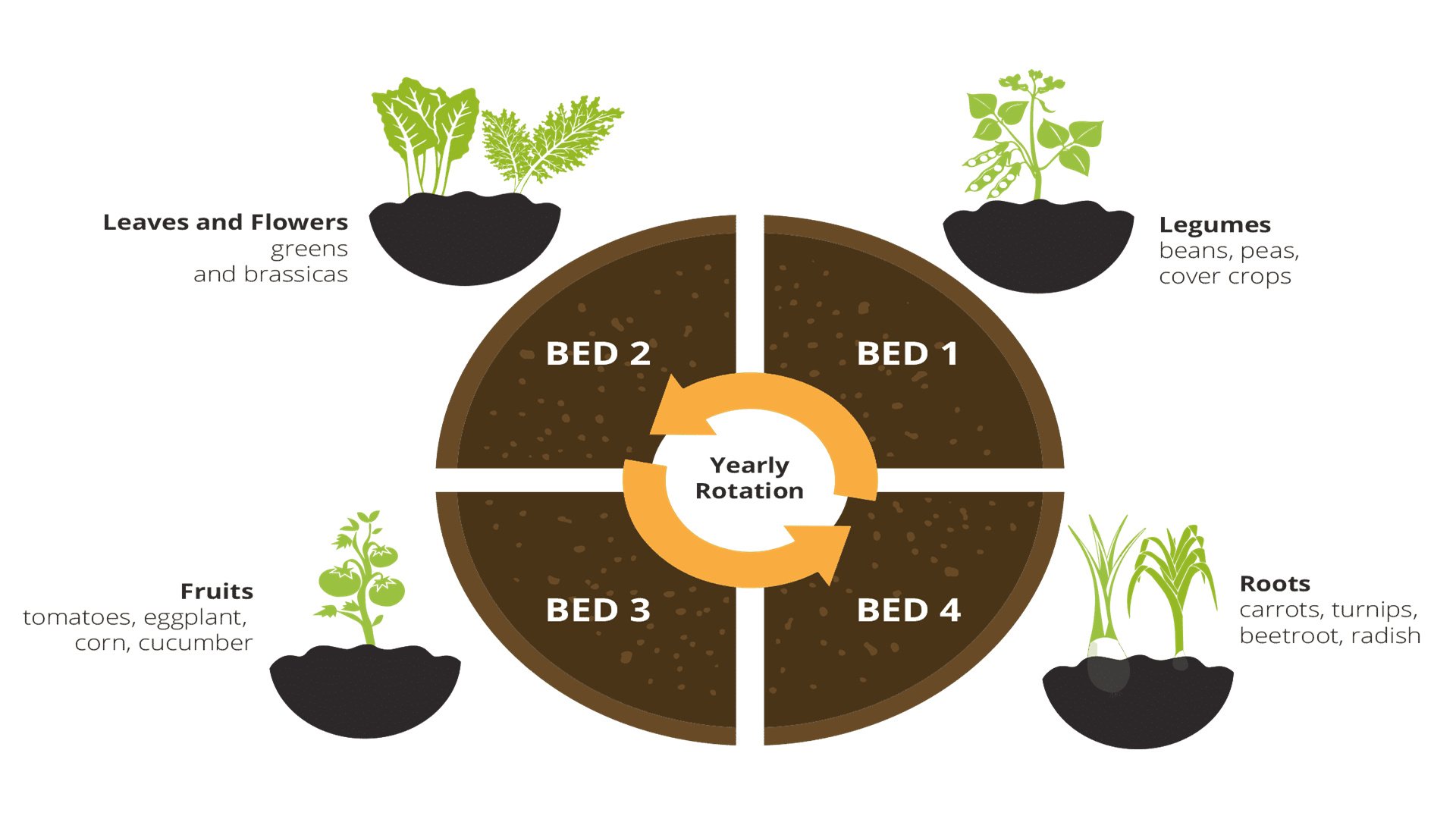
Crop rotation and companion planting are techniques to enhance soil fertility, reduce pests, and optimize space in a year-round garden. By rotating vegetable families and pairing beneficial plants, you can maintain a healthy ecosystem that supports continuous growth.
Advantages and Disadvantages
Advantages:
- Crop rotation prevents nutrient depletion and breaks pest cycles, while companion planting can deter insects and improve pollination.
- This leads to higher yields and fewer chemical inputs.
Disadvantages:
- It requires careful planning and record-keeping, and mistakes can lead to cross-contamination or reduced harvests.
- Some companion pairs may not work in all climates.
How to Implement
- Plan rotation cycles: Divide vegetables into families (e.g., brassicas, legumes, solanaceae) and rotate them each season to different beds. For example, follow tomatoes (solanaceae) with beans (legumes) to fix nitrogen in the soil.
- Use companion planting charts: Pair vegetables with beneficial companions—such as planting basil near tomatoes to repel aphids, or marigolds with carrots to deter nematodes. Avoid incompatible pairs like onions and beans.
- Integrate cover crops: Plant clover or rye in off-seasons to enrich soil, prevent erosion, and suppress weeds. Till them under before planting main crops.
- Monitor and adjust: Observe pest levels and soil health, swapping companions or rotation patterns if issues arise. For instance, if cabbage worms persist, rotate brassicas to a new bed and add nasturtiums as a trap crop.
- Document layouts: Create garden maps each season to track rotations and companions, using tools like gardening apps or spreadsheets for accuracy.
🌿 Method 4: Soil Management and Fertilization
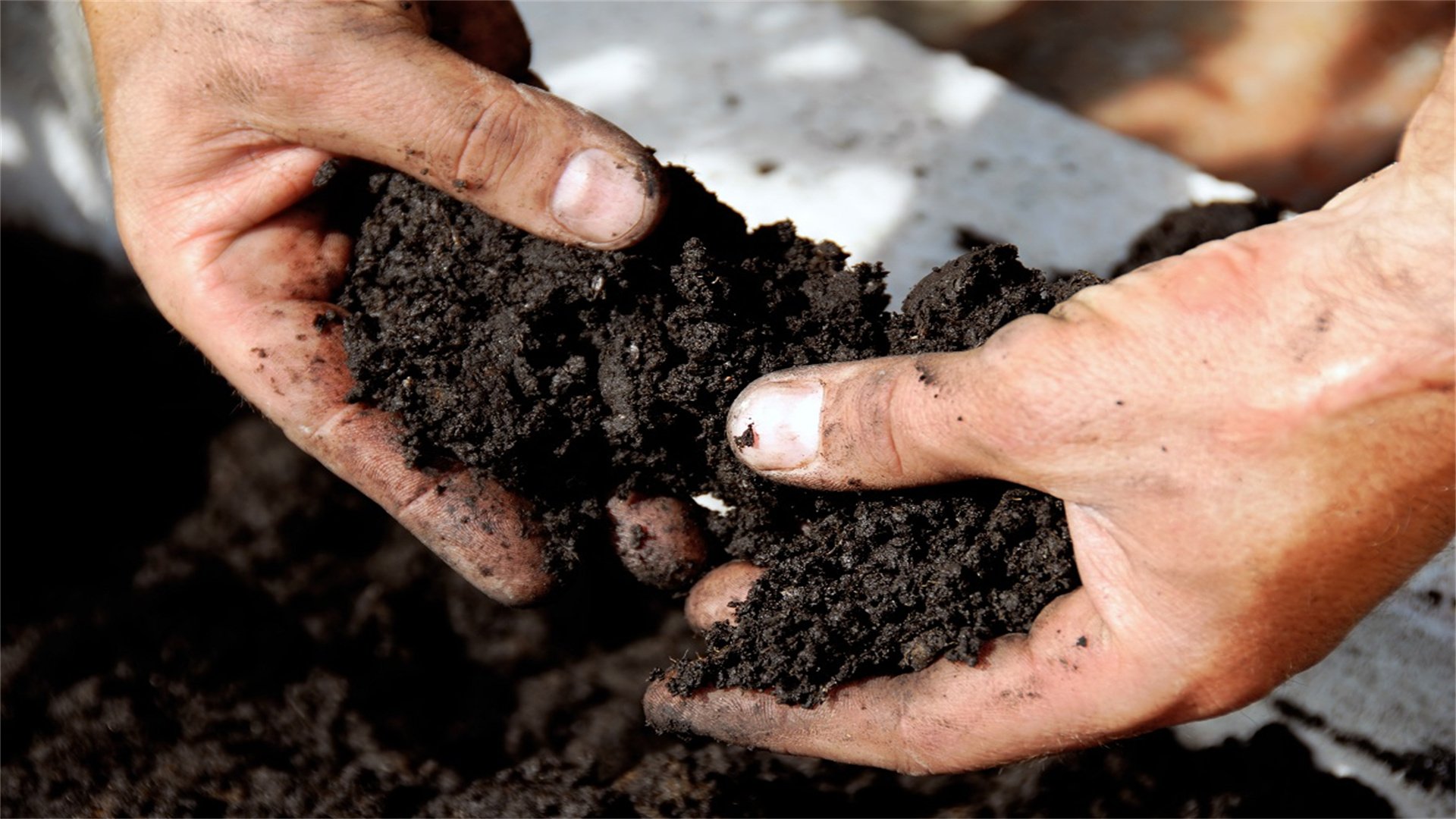
Healthy soil is the foundation of a year-round vegetable garden. Proper management, including regular testing, amending, and fertilizing, ensures that plants receive essential nutrients and thrive in all seasons.
Advantages and Disadvantages
Advantages:
- Good soil structure supports root growth, retains moisture, and resists diseases, leading to robust plants and consistent harvests.
- Organic fertilization improves long-term fertility.
Disadvantages:
- Soil management can be labor-intensive and may require initial investments in amendments.
- Over-fertilization can harm plants or pollute waterways.
How to Implement
- Test soil annually: Use a kit or send samples to a lab to measure pH, nutrient levels, and texture. Aim for a pH of 6.0-7.0 for most vegetables, adjusting with lime (to raise pH) or sulfur (to lower pH).
- Add organic matter: Incorporate compost, well-rotted manure, or leaf mold into beds each season to improve drainage and nutrient content. For example, spread 2-3 inches of compost before planting spring crops.
- Use balanced fertilizers: Apply organic fertilizers like fish emulsion, bone meal, or seaweed extract based on soil test results. Follow package instructions—for instance, side-dress tomatoes with compost tea during fruiting.
- Practice no-till gardening: Minimize soil disturbance to preserve microbial life and structure. Use mulch layers to suppress weeds and retain moisture, such as straw or wood chips.
- Monitor and replenish: Check soil moisture with a meter, and add amendments as needed. In winter, protect soil with cover crops or mulches to prevent erosion.
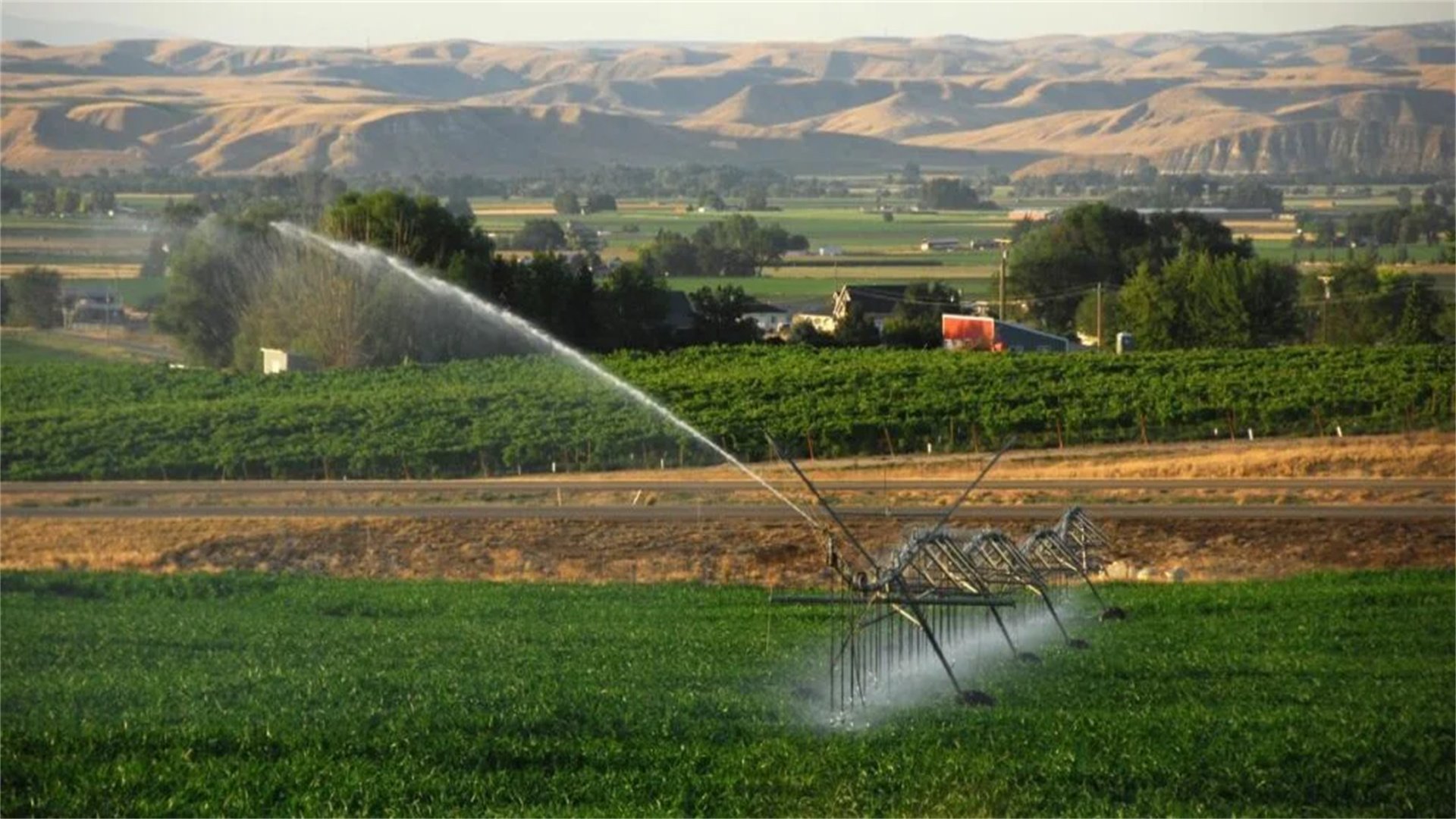
💧 Method 5: Irrigation and Water Management
Efficient irrigation is vital for year-round gardening, as water needs change with seasons. This method involves setting up systems to deliver consistent moisture, preventing drought stress or waterlogging.
Advantages and Disadvantages
Advantages:
- Proper irrigation ensures even growth, reduces water waste, and prevents diseases caused by overwatering.
- Automated systems save time and adapt to seasonal variations.
Disadvantages:
- Installation can be costly, and systems may require maintenance or winterization.
- In areas with water restrictions, usage must be carefully managed.
How to Implement
- Choose an irrigation system: For year-round use, install drip irrigation or soaker hoses that deliver water directly to roots, minimizing evaporation. In colder climates, use frost-proof taps or bury lines below frost depth.
- Schedule watering based on season: In summer, water early morning to reduce evaporation; in winter, water less frequently but deeply to prevent root freeze. Adjust timers monthly—for example, set drip lines to run for 30 minutes twice a week in summer.
- Incorporate rain barrels or graywater systems: Collect rainwater for irrigation during dry spells, and use household graywater (from sinks) for non-edible plants to conserve resources.
- Monitor soil moisture: Use sensors or manual checks to ensure soil stays moist but not soggy. For raised beds, add organic matter to improve water retention.
- Winterize systems: In freezing temperatures, drain hoses and store them indoors, or use insulated covers to prevent damage. Plan for spring reactivation by checking for leaks.
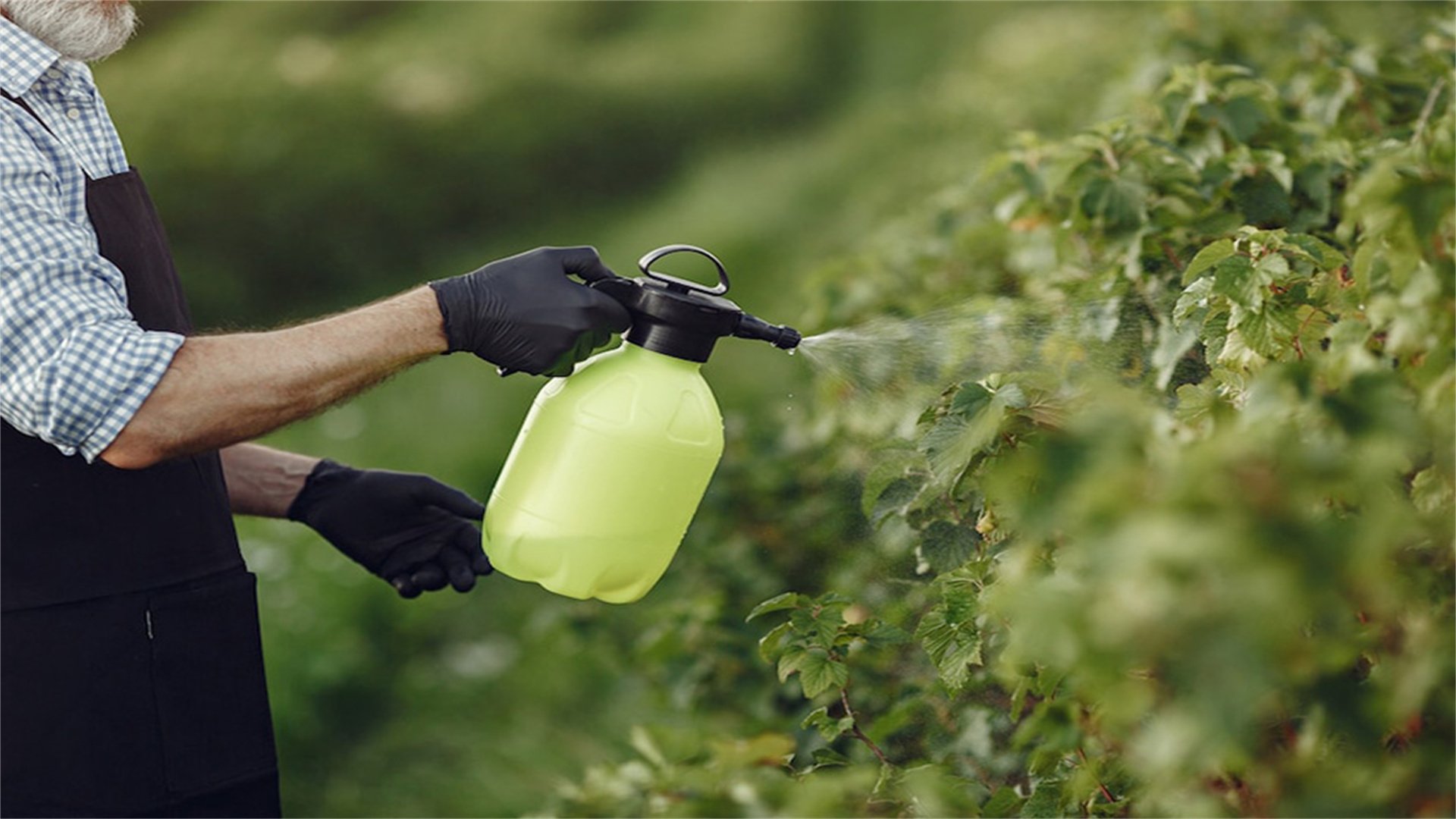
🐛 Method 6: Pest and Disease Control
Managing pests and diseases is essential for maintaining a healthy year-round garden, as problems can persist across seasons. This method focuses on integrated pest management (IPM) to prevent and address issues organically.
Advantages and Disadvantages
Advantages:
- IPM reduces chemical use, promotes natural predators, and prevents crop losses.
- Early detection and cultural practices keep problems minimal.
Disadvantages:
- It requires vigilance and knowledge of local pests, and organic methods may be slower-acting than chemicals.
- In humid climates, disease pressure can be high.
How to Implement
- Identify common pests and diseases: Learn about regional threats, such as aphids in spring or powdery mildew in fall. Use guides or extension services to recognize symptoms early.
- Use physical barriers: Install row covers, netting, or copper tape to block insects and slugs. For example, cover brassicas with fine mesh to prevent cabbage moth damage.
- Introduce beneficial insects: Release ladybugs, lacewings, or parasitic wasps to control aphids and caterpillars. Plant flowers like dill or yarrow to attract these predators.
- Apply organic treatments: Use neem oil, insecticidal soap, or homemade sprays (e.g., garlic water) for infestations. Rotate treatments to prevent resistance—for instance, spray neem oil every 7-10 days during outbreaks.
- Practice sanitation: Remove diseased plants promptly, clean tools between uses, and rotate crops to break disease cycles. In winter, clear debris to reduce overwintering pests.
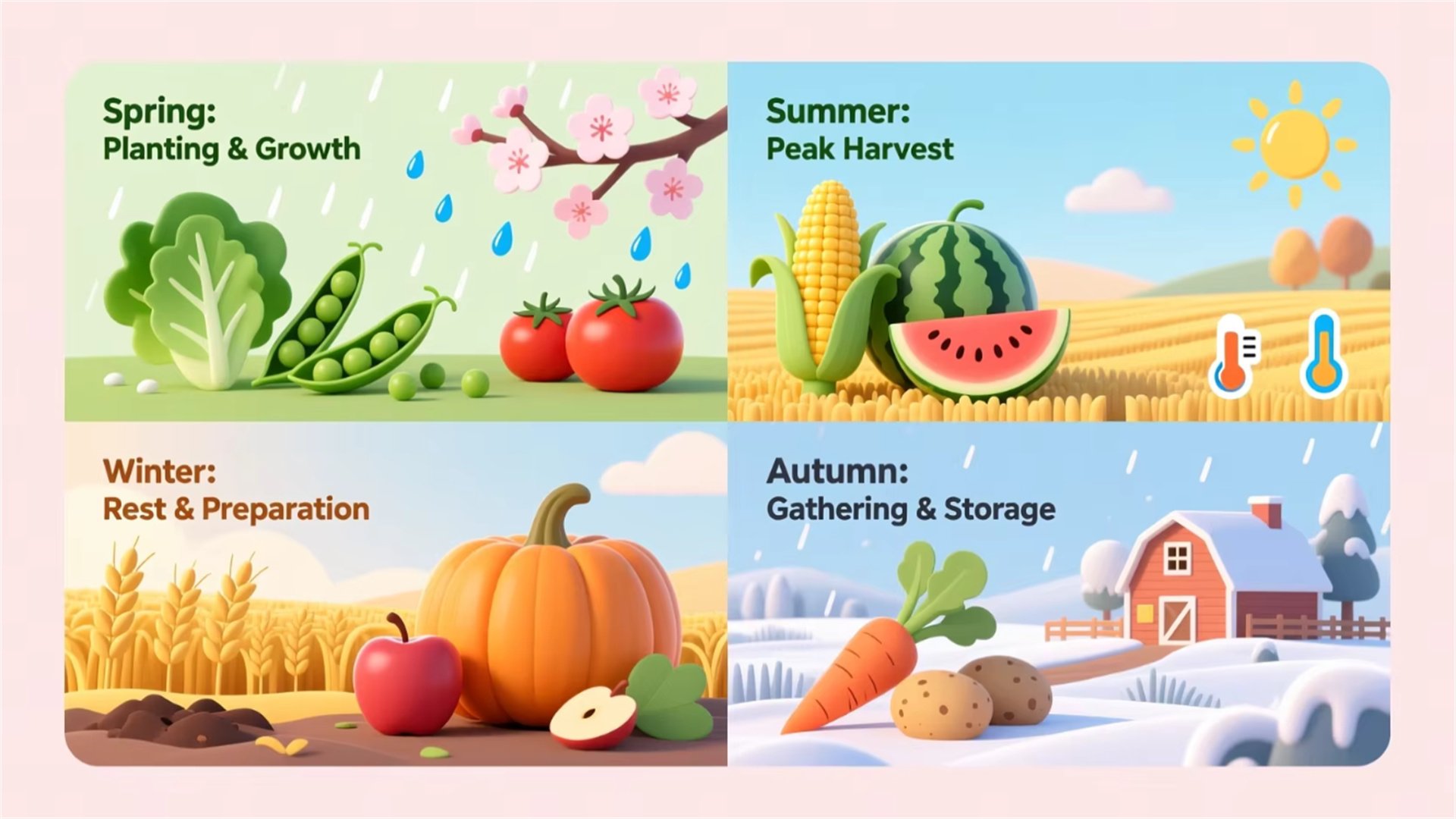
📅 Method 7: Seasonal Adjustments and Harvest Planning
Adapting your garden to seasonal changes ensures continuous production and maximizes harvests. This method involves timing plantings, protecting crops from weather extremes, and planning harvests for year-round availability.
Advantages and Disadvantages
Advantages:
- Seasonal adjustments allow you to exploit microclimates, extend harvest windows, and reduce gaps in supply.
- It enhances garden resilience to climate variability.
Disadvantages:
- It demands ongoing attention and flexibility, as weather can be unpredictable.
- In regions with short growing seasons, adjustments may be limited.
How to Implement
- Create a year-round calendar: Map out planting, maintenance, and harvest dates for each vegetable, based on local frost dates and daylight hours. Use tools like online garden planners to automate this.
- Use season extension techniques: In spring, start seeds indoors under grow lights; in fall, use cloches or cold frames to protect late crops; in winter, focus on hardy vegetables in insulated beds.
- Harvest strategically: Pick vegetables at peak maturity—for example, harvest leafy greens in the morning for crispness, and root crops after frost for sweetness. Store surpluses by freezing, canning, or root cellaring.
- Monitor weather forecasts: Adjust watering, covers, or planting times based on upcoming storms or temperature swings. In heatwaves, provide shade with cloths or taller plants.
- Refine annually: Review your garden's performance each year, noting what worked and adjusting plans for the next cycle. Experiment with new varieties or techniques to improve yields.
📝 Conclusion
Growing a year-round vegetable garden is an achievable goal with the right strategies and dedication. By selecting appropriate vegetables, utilizing protective structures, implementing crop rotation, managing soil and water, controlling pests, and making seasonal adjustments, you can enjoy fresh produce in every season. This approach not only enhances food security and sustainability but also deepens your connection to the natural cycles of gardening.
Remember, success comes from continuous learning and adaptation. Start small, perhaps with a few cold-hardy crops or a simple cold frame, and gradually expand as you gain experience. With patience and persistence, your garden will become a vibrant, year-round source of nourishment and joy. Embrace the challenges as opportunities to grow, and soon you'll reap the rewards of a thriving vegetable garden that defies the seasons.
Advertisement