9 Outdoor Ornament Trends Captivating U.S. Homes
9 Outdoor Ornament Trends Captivating U.S. Homes
Outdoor living spaces have become an essential extension of the American home, with homeowners increasingly investing in ornaments that enhance aesthetics, functionality, and personal expression. As trends evolve, they reflect broader shifts toward sustainability, technology, and creativity. This article explores nine outdoor ornament trends that are currently captivating U.S. homes, offering detailed insights into their appeal, implementation, and impact.

🌱 Trend 1: Sustainable and Eco-Friendly Ornaments
Sustainable ornaments are gaining popularity as environmental consciousness grows. These include items made from recycled materials, native plants, and energy-efficient features, reducing carbon footprints while adding natural beauty.
Advantages and Disadvantages
Advantages:
- Sustainable ornaments reduce waste and lower environmental impact.
- They often require less maintenance and can save money on energy bills.
- Enhance biodiversity by attracting pollinators like bees and butterflies.
- Add a unique, earthy aesthetic that blends seamlessly with natural surroundings.
Disadvantages:
- Initial costs can be higher for premium eco-friendly materials.
- Some ornaments may have limited durability in harsh weather.
- Sourcing sustainable products might be challenging in rural areas.
- Installation can involve complex planning to ensure efficiency.
How to Implement
1. Assess Your Space
- Evaluate your outdoor area for sunlight, soil quality, and existing flora.
- Choose ornaments that thrive locally.
2. Select Materials
- Choose ornaments crafted from renewable or recycled resources.
- Research brands that prioritize sustainability.
3. Incorporate Energy Efficiency
- Install solar-powered lights or wind chimes with kinetic energy generators.
- Use LED bulbs for outdoor lighting.
- Consider adding a compost bin as a functional ornament.
4. Maintain and Adapt
- Regularly clean and repair sustainable ornaments to extend their lifespan.
- Adapt designs seasonally.
💡 Trend 2: Smart Outdoor Lighting
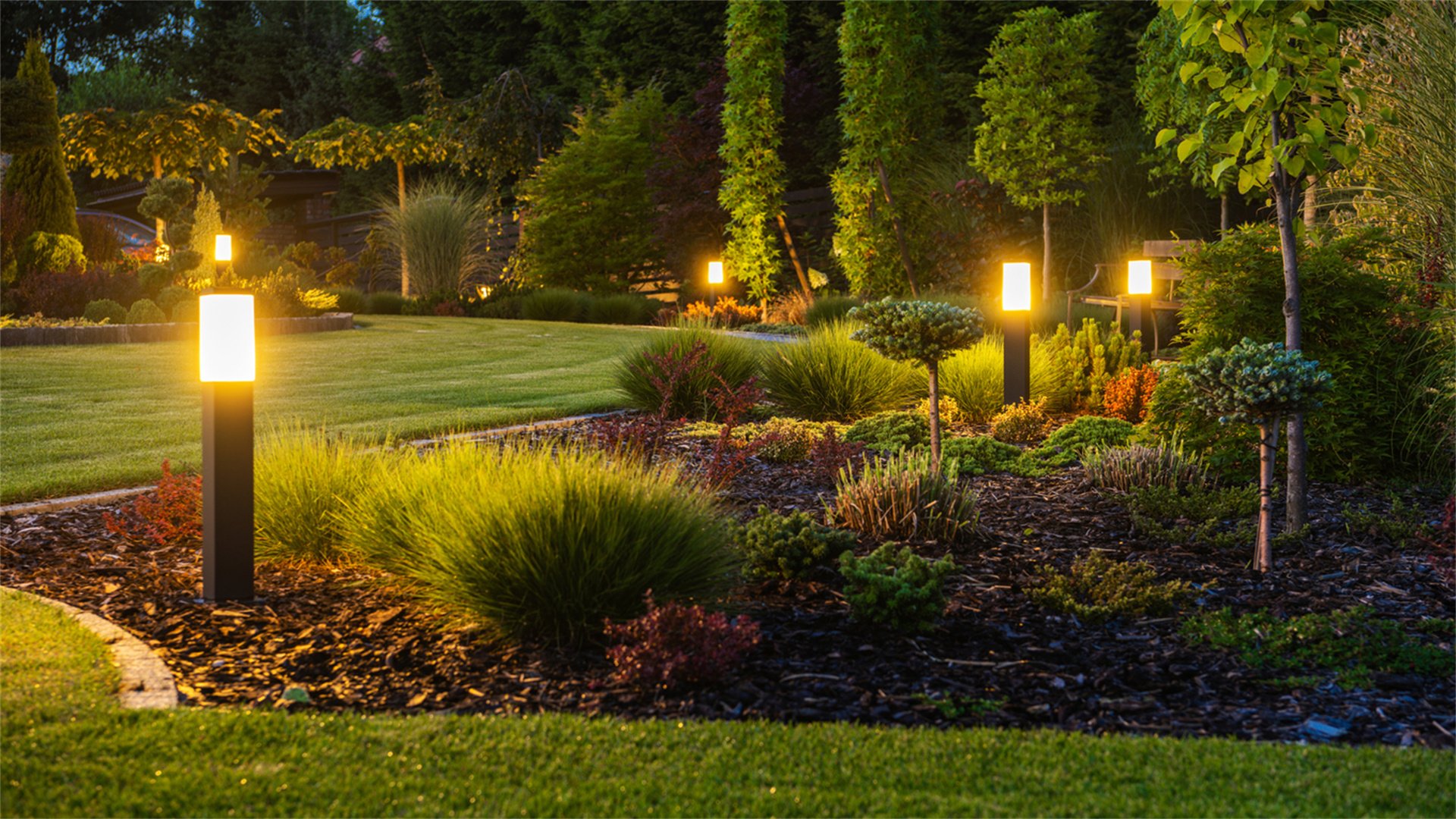
Smart lighting integrates technology with outdoor decor, allowing homeowners to control brightness, color, and timing via smartphones or voice assistants.
Advantages and Disadvantages
Advantages:
- Offers convenience through remote control and automation.
- Improves safety by illuminating walkways and deterring intruders.
- Energy-efficient LEDs last longer and consume less power.
- Color-changing features allow for creative displays.
Disadvantages:
- Installation can be complex, requiring Wi-Fi connectivity.
- Initial setup costs are higher.
- Malfunctions like connectivity issues might require technical support.
- Some systems are vulnerable to hacking if not secured properly.
How to Implement
1. Plan Your Layout
- Map out key areas for lighting, such as entrances and pathways.
- Consider zones for different functions.
2. Choose Compatible Systems
- Select smart lighting brands that integrate with your existing home automation.
- Look for weatherproof ratings and energy certifications.
3. Install and Configure
- Follow manufacturer instructions to install fixtures.
- Connect lights to your Wi-Fi network and download the companion app.
- Set up automation rules.
4. Maintain and Upgrade
- Regularly update firmware for security and performance.
- Clean lenses and sensors to prevent dimming.
- Replace bulbs as needed.
🌿 Trend 3: Vertical Gardens and Living Walls
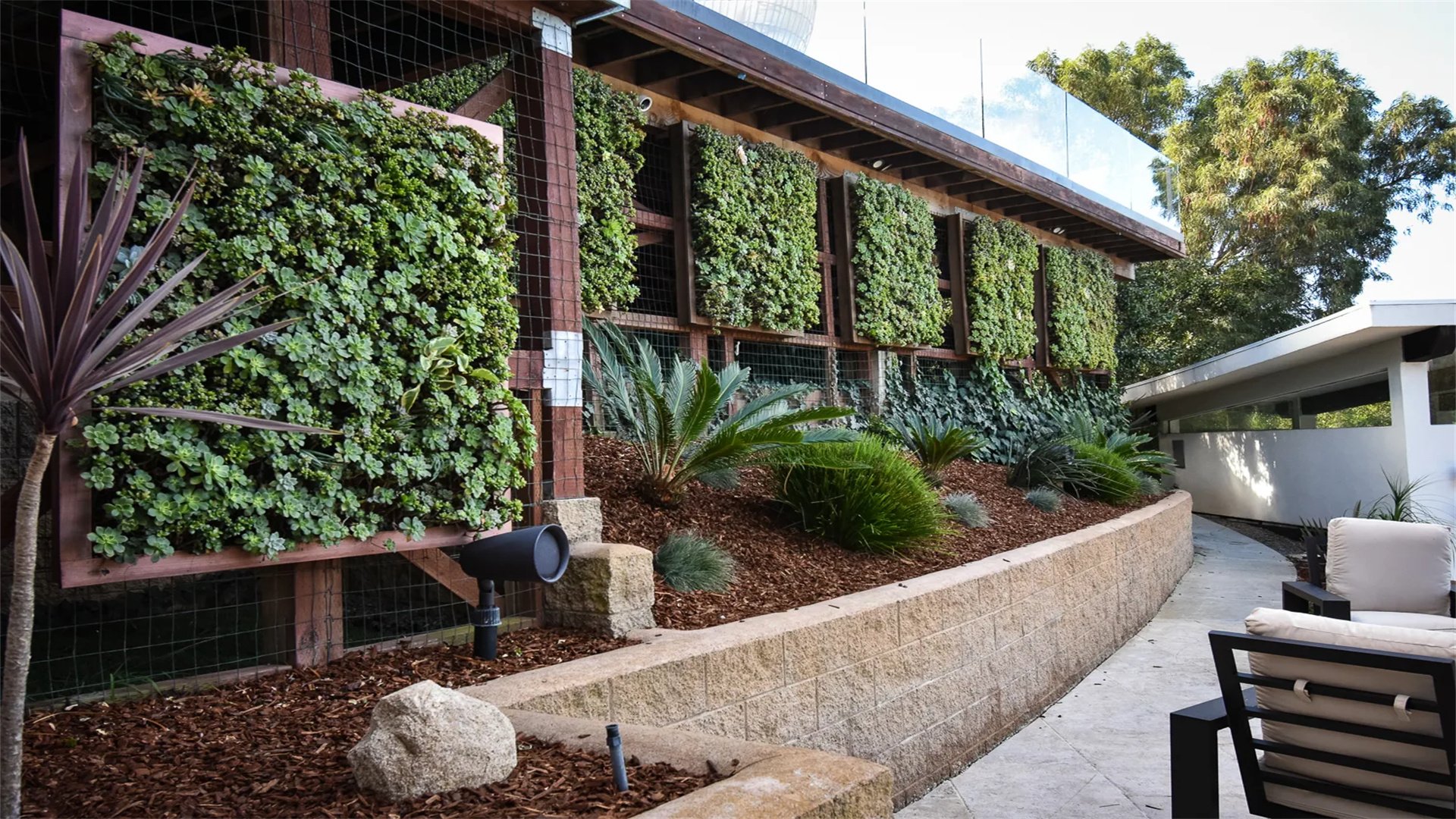
Vertical gardens involve growing plants on walls or structures, maximizing space in small yards or urban settings.
Advantages and Disadvantages
Advantages:
- Save space and can transform unused walls.
- Improve air quality by filtering pollutants.
- Reduce noise and provide insulation.
- Edible gardens offer fresh produce.
Disadvantages:
- Installation requires structural support.
- Watering and fertilizing can be challenging.
- Costs vary, with advanced systems like hydroponics being expensive.
- Pests or diseases may spread quickly.
How to Implement
1. Select a Location
- Choose a wall with adequate sunlight and protection from strong winds.
- Ensure the surface can handle moisture.
2. Choose Plants and System
- Pick plants suited to your climate and light conditions.
- Decide on a system: modular panels, pocket planters, or trellises.
- Include a drip irrigation system.
3. Install Structures
- Mount frames or panels securely.
- Add soil or growing medium, and plant seedlings.
- Set up irrigation and connect to a timer.
4. Maintain and Harvest
- Prune plants regularly to encourage growth.
- Monitor for pests.
- For edible gardens, harvest herbs or vegetables when ripe.
🎨 Trend 4: Outdoor Art and Sculptures
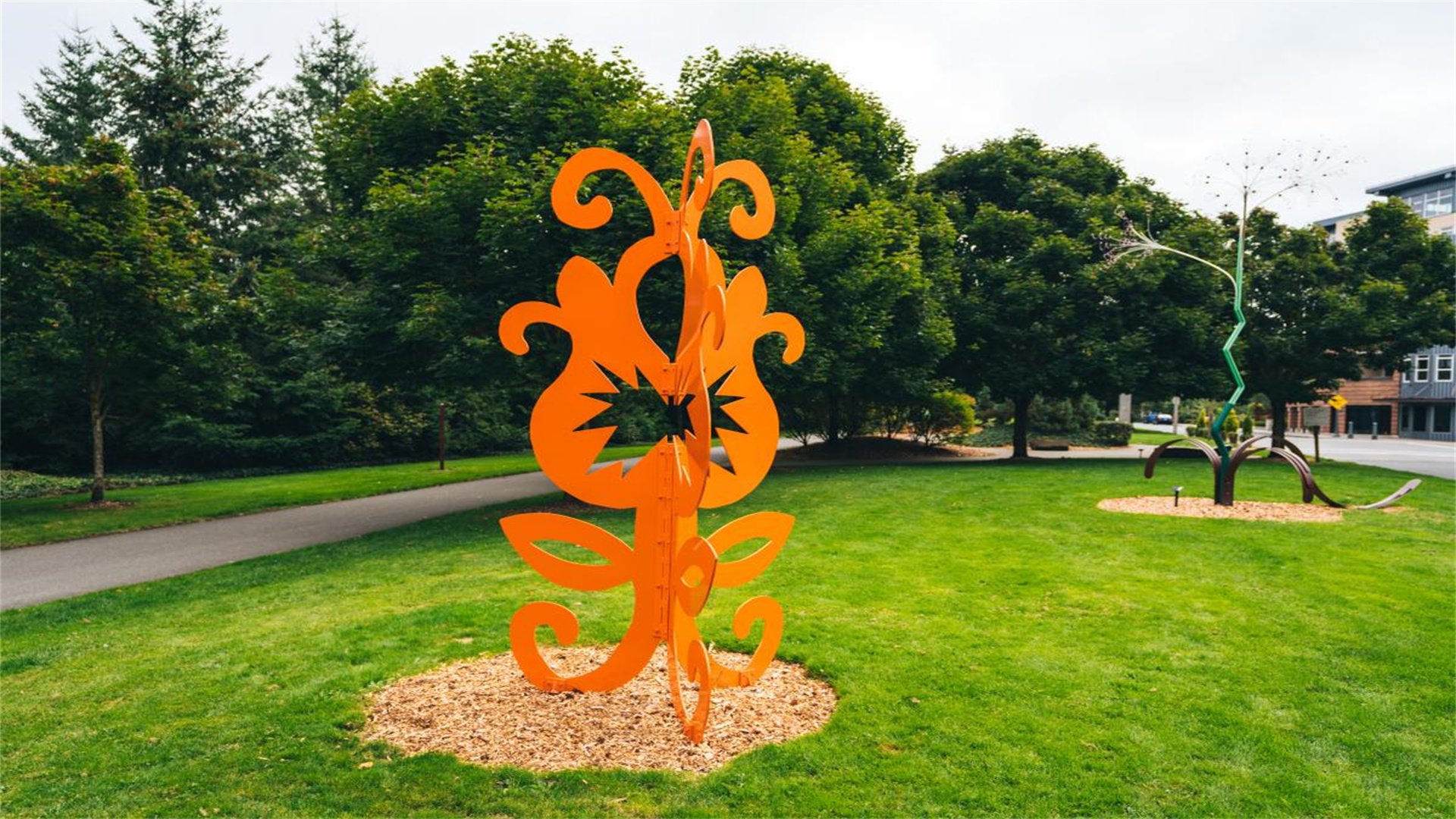
Outdoor art transforms gardens into galleries, with sculptures, murals, and kinetic pieces adding personality and intrigue.
Advantages and Disadvantages
Advantages:
- Art pieces create visual interest and define spaces.
- They can evoke emotions or themes.
- Durable materials ensure longevity.
- Can increase property value.
Disadvantages:
- High-quality art can be expensive.
- Installation might require heavy equipment or professional help.
- Weather exposure can cause fading or damage.
- Some styles may clash with existing decor.
How to Implement
1. Define Your Style
- Assess your outdoor theme and choose art that complements it.
- Consider pieces that interact with elements like wind or water.
2. Select and Purchase Art
- Opt for weather-resistant materials.
- Measure your space to ensure proper scaling.
- Purchase from reputable artists or retailers.
3. Install with Care
- Prepare the site by leveling ground or reinforcing walls.
- Use anchors or bases to secure pieces.
- Position art to catch light or frame views.
4. Maintain and Rotate
- Clean art regularly with mild soap and water.
- Apply protective coatings annually.
- Rotate pieces seasonally to keep the display fresh.
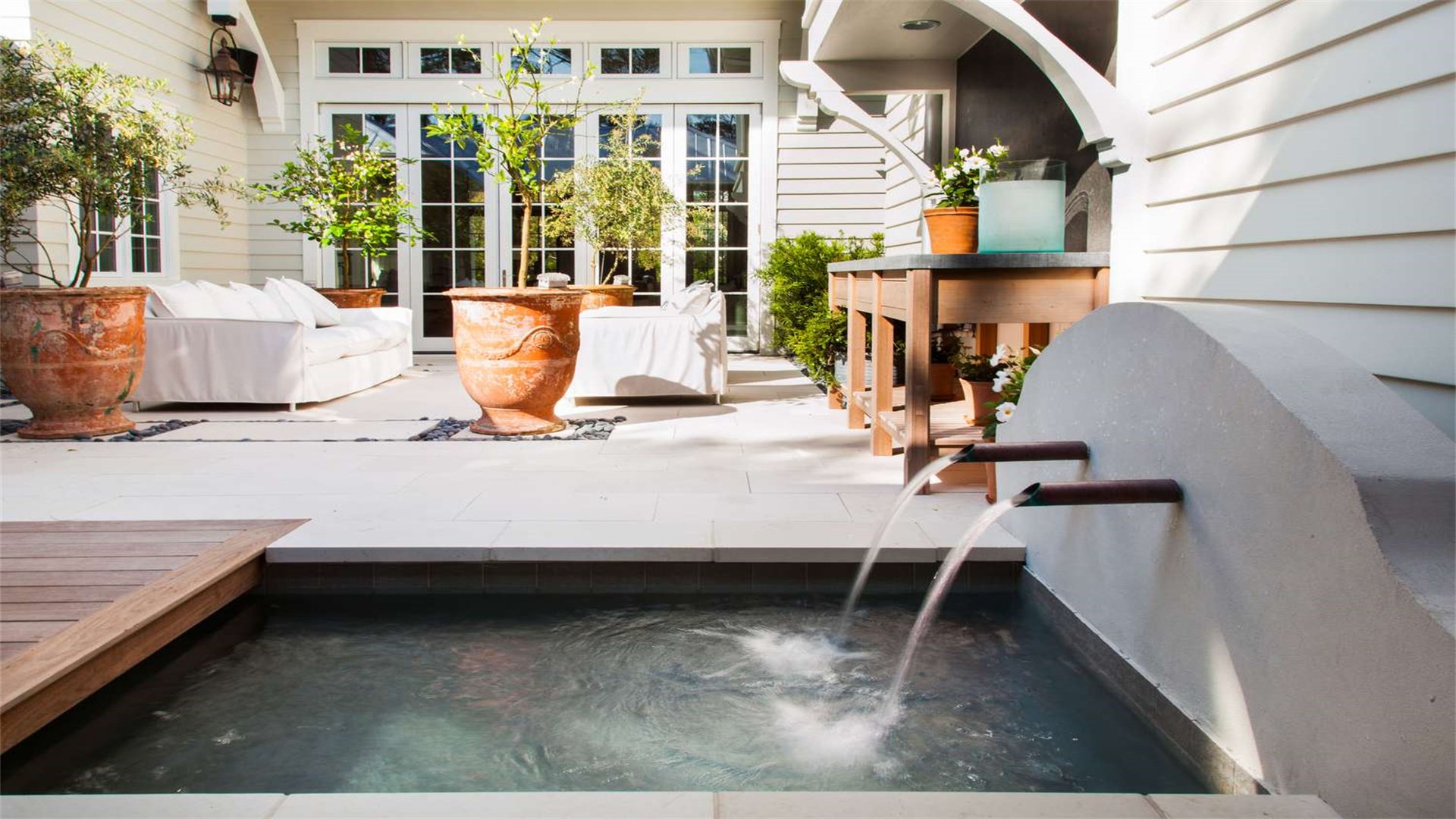
💧 Trend 5: Water Features and Fountains
Water features, including fountains, ponds, and waterfalls, bring soothing sounds and movement to outdoor spaces.
Advantages and Disadvantages
Advantages:
- Provide calming white noise, masking urban sounds.
- Attract birds and beneficial insects.
- Evaporation can cool surrounding areas.
- Add elegance and can increase property value.
Disadvantages:
- Installation and maintenance costs can be high.
- Regular cleaning is needed to prevent algae growth.
- In colder regions, winterizing is necessary.
- Mosquitoes may breed in stagnant water.
How to Implement
1. Design Your Feature
- Decide on a type based on space and budget.
- Sketch a plan including dimensions and needs.
2. Choose Materials and Equipment
- Select durable materials.
- Purchase a reliable pump with appropriate flow rate.
- Include filters and UV clarifiers.
3. Install Step-by-Step
- For fountains, assemble ensuring a level base.
- For ponds, excavate, line, and install the liner.
- Connect plumbing and electrical systems.
- Fill with water, test the pump, and add plants or fish gradually.
4. Maintain for Longevity
- Clean pumps and filters monthly.
- Use algaecides or natural solutions.
- In winter, drain features or use heaters.
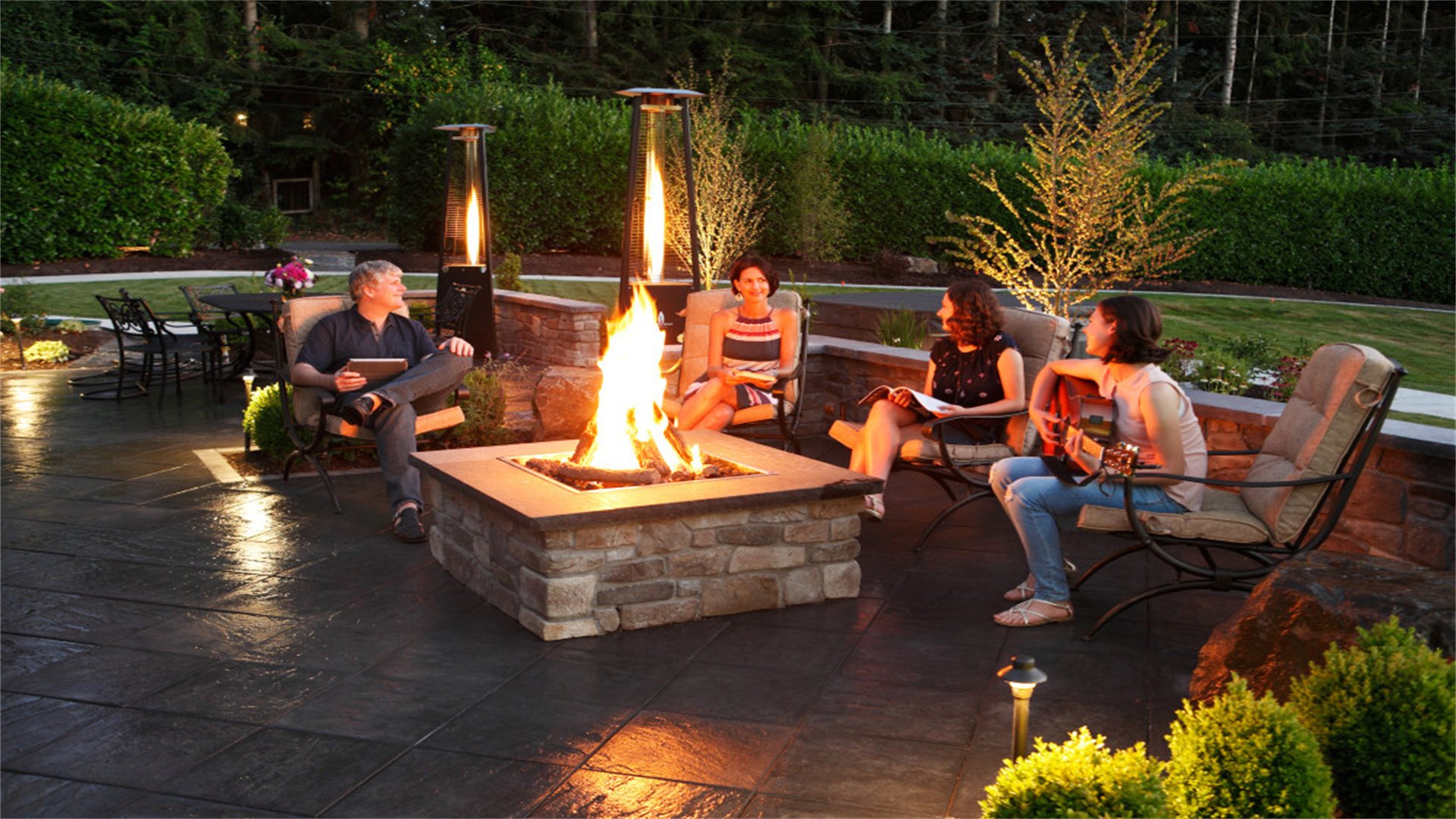
🔥 Trend 6: Fire Pits and Outdoor Fireplaces
Fire pits and fireplaces extend outdoor usability into cooler months, providing warmth and ambiance for gatherings.
Advantages and Disadvantages
Advantages:
- Create a cozy atmosphere and encourage social interaction.
- Can cook food, adding utility.
- Gas models offer instant ignition and clean burning.
- Serve as focal points and can increase home value.
Disadvantages:
- Wood-burning pits produce smoke and embers.
- Installation may require permits or professional help.
- Fuel costs for gas can add up.
- In dry regions, fire bans may limit use.
How to Implement
1. Plan for Safety and Style
- Check local regulations for placement.
- Choose a style and fuel type.
2. Select and Purchase Equipment
- Buy a fire pit kit or hire a contractor.
- Include safety accessories like screens.
3. Install with Precision
- Prepare a non-flammable base in a level area.
- Assemble the pit or lay foundations for built-ins.
- Connect gas lines professionally if needed.
4. Maintain and Enjoy
- Clean ashes after each use or inspect gas lines annually.
- Cover features when not in use.
- Use during evenings or cooler seasons.
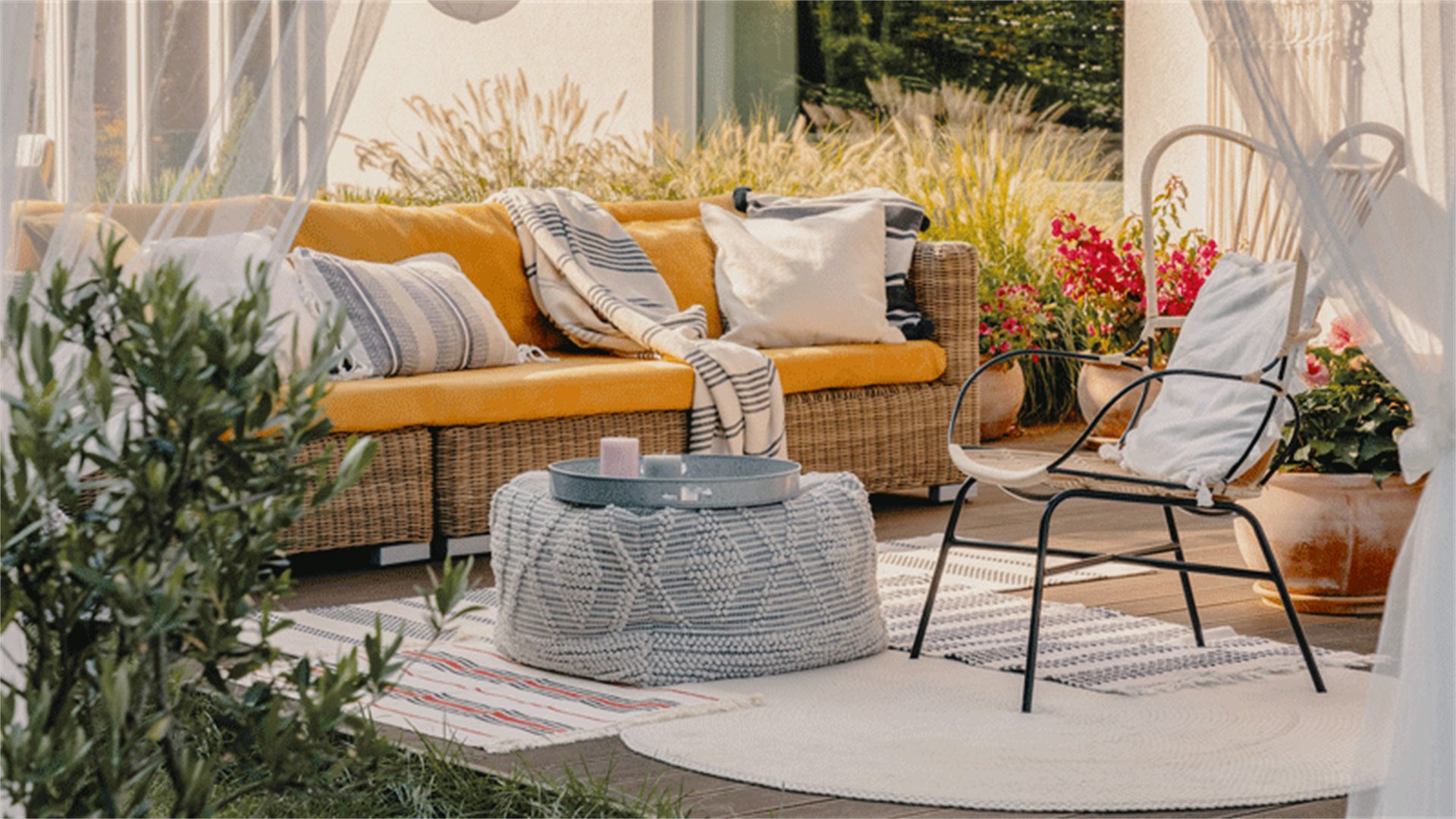
🛋️ Trend 7: Weather-Resistant Furniture and Decor
Weather-resistant furniture includes pieces made from materials like teak or aluminum that withstand sun, rain, and temperature swings.
Advantages and Disadvantages
Advantages:
- Items last longer, reducing replacement costs.
- Require minimal maintenance.
- Comfort is enhanced with ergonomic designs.
- Come in various colors and styles.
Disadvantages:
- Can be expensive upfront.
- Some materials may heat up in direct sun.
- Weight can be an issue for moving pieces.
- Limited customization options.
How to Implement
1. Assess Your Climate
- Research materials suited to your region.
- Consider sun exposure.
- Measure your space.
2. Choose Furniture and Decor
- Select pieces from reputable brands specializing in outdoor durability.
- Look for certifications for low emissions.
3. Arrange and Protect
- Arrange furniture to create conversation areas.
- Use outdoor rugs to define spaces.
- Apply protective sprays and store cushions properly.
4. Maintain Regularly
- Clean furniture with mild soap and water.
- Tighten bolts and screws.
- For wood, apply sealant yearly.

✨ Trend 8: Personalized and Custom Ornaments
Personalized ornaments involve customizing items with names, dates, or unique designs to reflect individual stories.
Advantages and Disadvantages
Advantages:
- Foster emotional connections and turn spaces into memory-filled havens.
- Allow for exact matching to color schemes or themes.
- Can be conversation starters.
- Supporting small businesses adds community value.
Disadvantages:
- Custom work can be costly and time-consuming.
- DIY projects require skills and tools.
- Designs may become outdated.
- Repairs can be tricky.
How to Implement
1. Brainstorm Ideas
- Reflect on personal elements to incorporate.
- Consider functional ornaments.
2. Choose Creation Method
- Decide between DIY or commissioning.
- For commissions, research artists or online services.
3. Create and Install
- For DIY, follow safety guidelines and tutorials.
- For commissions, communicate regularly with the creator.
- Install ornaments securely.
4. Maintain and Update
- Clean personalized ornaments gently.
- Touch up paint or finishes as needed.
- Consider updating designs periodically.
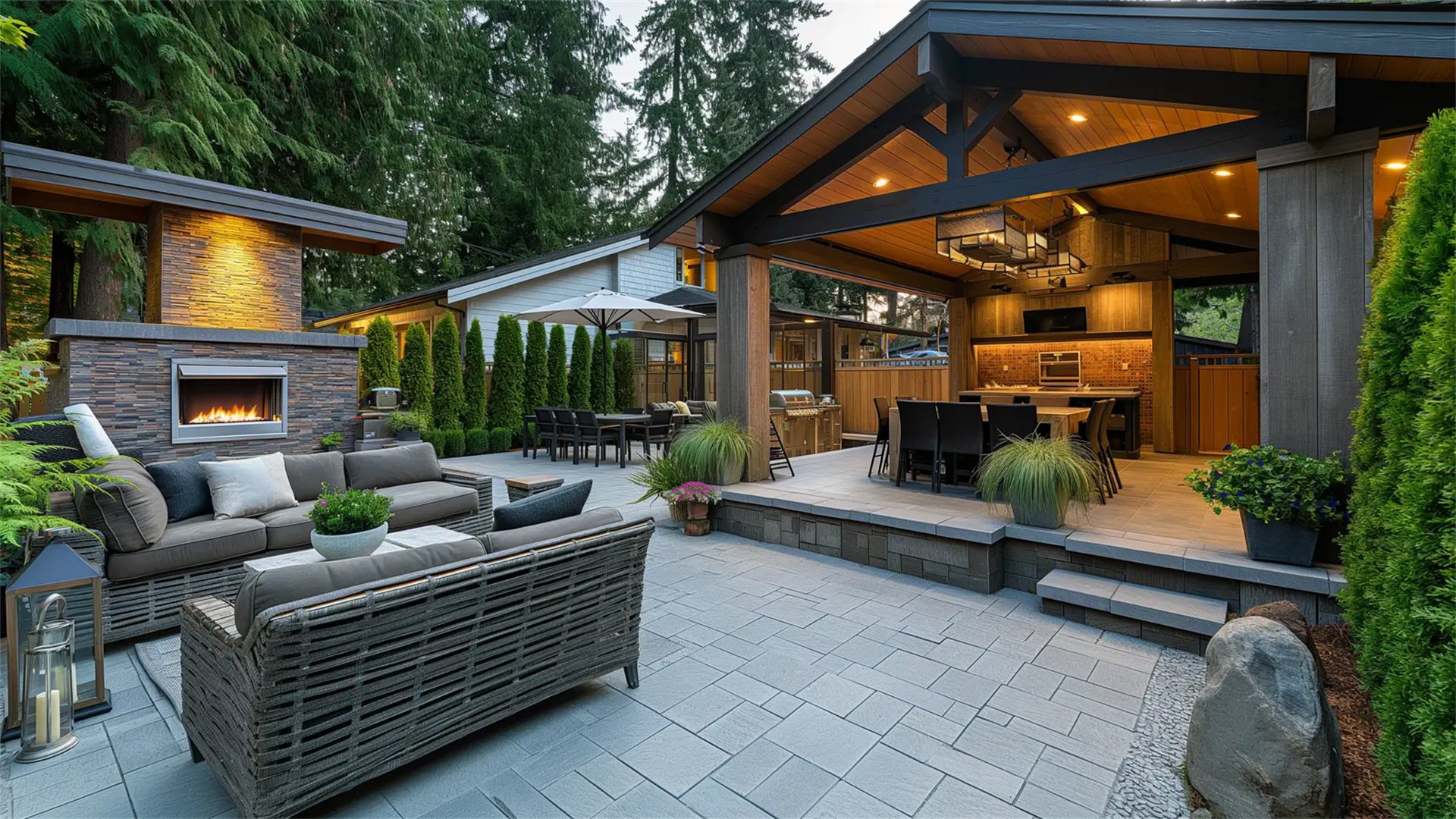
🔄 Trend 9: Multi-Functional Outdoor Spaces
Multi-functional spaces combine various elements into cohesive designs that maximize utility.
Advantages and Disadvantages
Advantages:
- Optimize use of outdoor areas.
- Increase property value.
- Flexibility allows quick changes for different events.
- Encourage outdoor time, boosting mental health.
Disadvantages:
- Planning can be complex.
- Costs may rise with multiple features.
- Maintenance increases with more components.
- Zoning might feel disjointed if not designed cohesively.
How to Implement
1. Assess Needs and Space
- List activities your space should support.
- Measure the area and create a floor plan.
2. Design Zones
- Divide the space into zones using rugs or planters.
- Choose multi-purpose furniture.
3. Select and Install Features
- Purchase furniture and ornaments that serve dual roles.
- Install permanent features and add portable decor.
4. Maintain and Adapt
- Regularly clean and inspect movable parts.
- Rearrange zones seasonally.
- Update decor to refresh the look.
Conclusion
The nine outdoor ornament trends highlighted are reshaping U.S. homes by blending aesthetics, technology, and practicality. Each trend offers unique benefits, from environmental stewardship to enhanced social living, while presenting challenges that require thoughtful implementation. By adopting these trends, you can transform your yard into a captivating retreat that delights for years to come.
Advertisement