Seasonal Gardening Tips for Year-Round Beauty
Seasonal Gardening Tips for Year-Round Beauty
Gardening is a rewarding endeavor that allows you to create a vibrant, ever-changing landscape that delights the senses throughout the year. To achieve year-round beauty, it's essential to adopt a seasonal approach, planning and executing tasks that align with nature's rhythms. This article provides comprehensive seasonal gardening tips, drawing from best practices on international gardening websites, to help you maintain a stunning garden in every season. We'll explore techniques for spring, summer, fall, and winter, detailing methods, advantages, disadvantages, and step-by-step implementations. By following these guidelines, you can ensure your garden remains a picturesque oasis regardless of the weather.
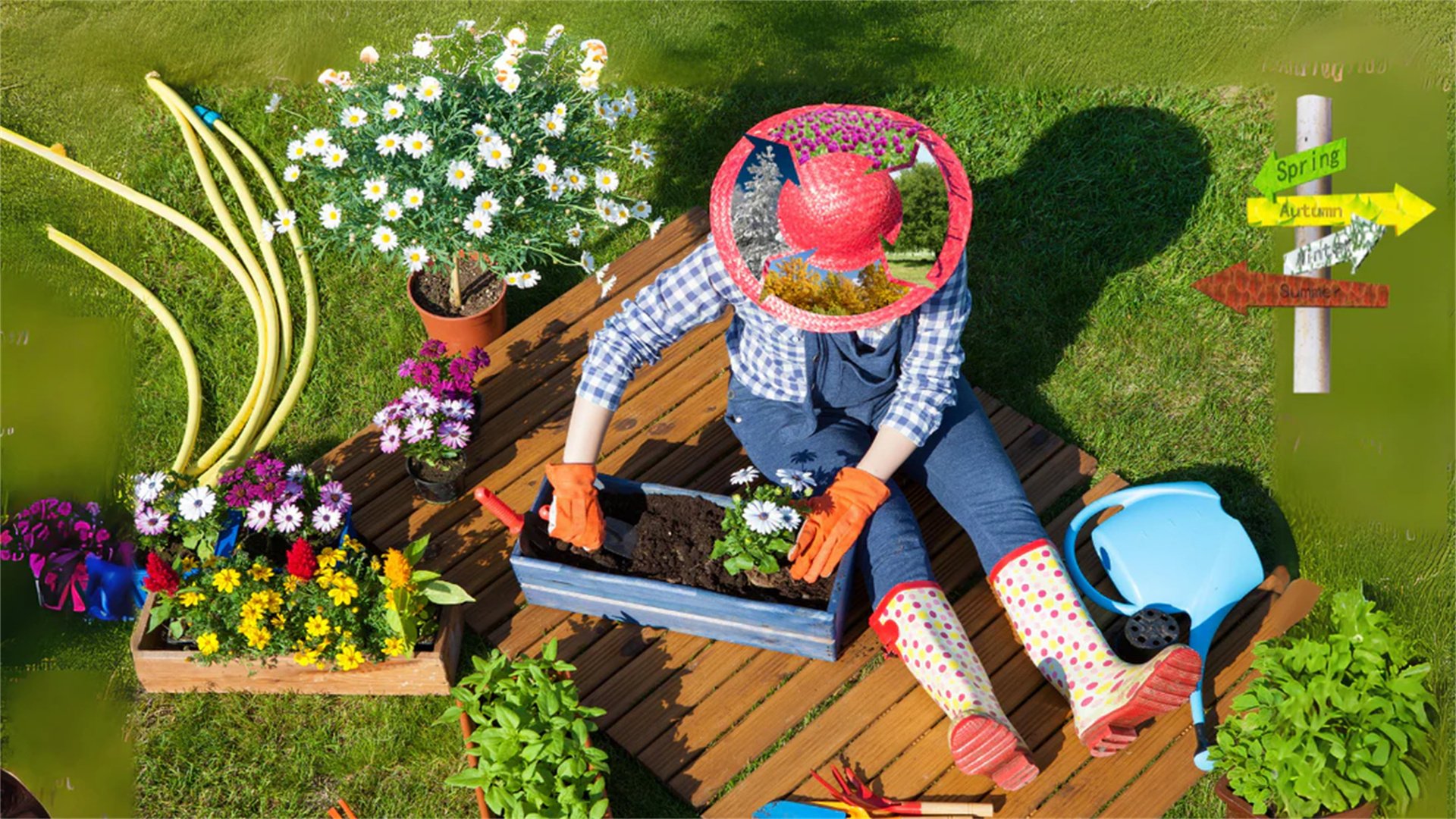
📚 Introduction to Seasonal Gardening
Seasonal gardening involves tailoring your gardening activities to the specific needs of plants and ecosystems during different times of the year. This proactive strategy not only enhances aesthetic appeal but also promotes plant health, reduces maintenance efforts, and supports local wildlife. Year-round beauty is achievable by selecting a diverse mix of plants that bloom or provide interest in successive seasons, coupled with timely care practices. In this article, we'll delve into practical tips for each season, structured with clear sections and points to guide you through the process. From soil preparation to plant selection, we'll cover everything you need to know to transform your garden into a four-season masterpiece.
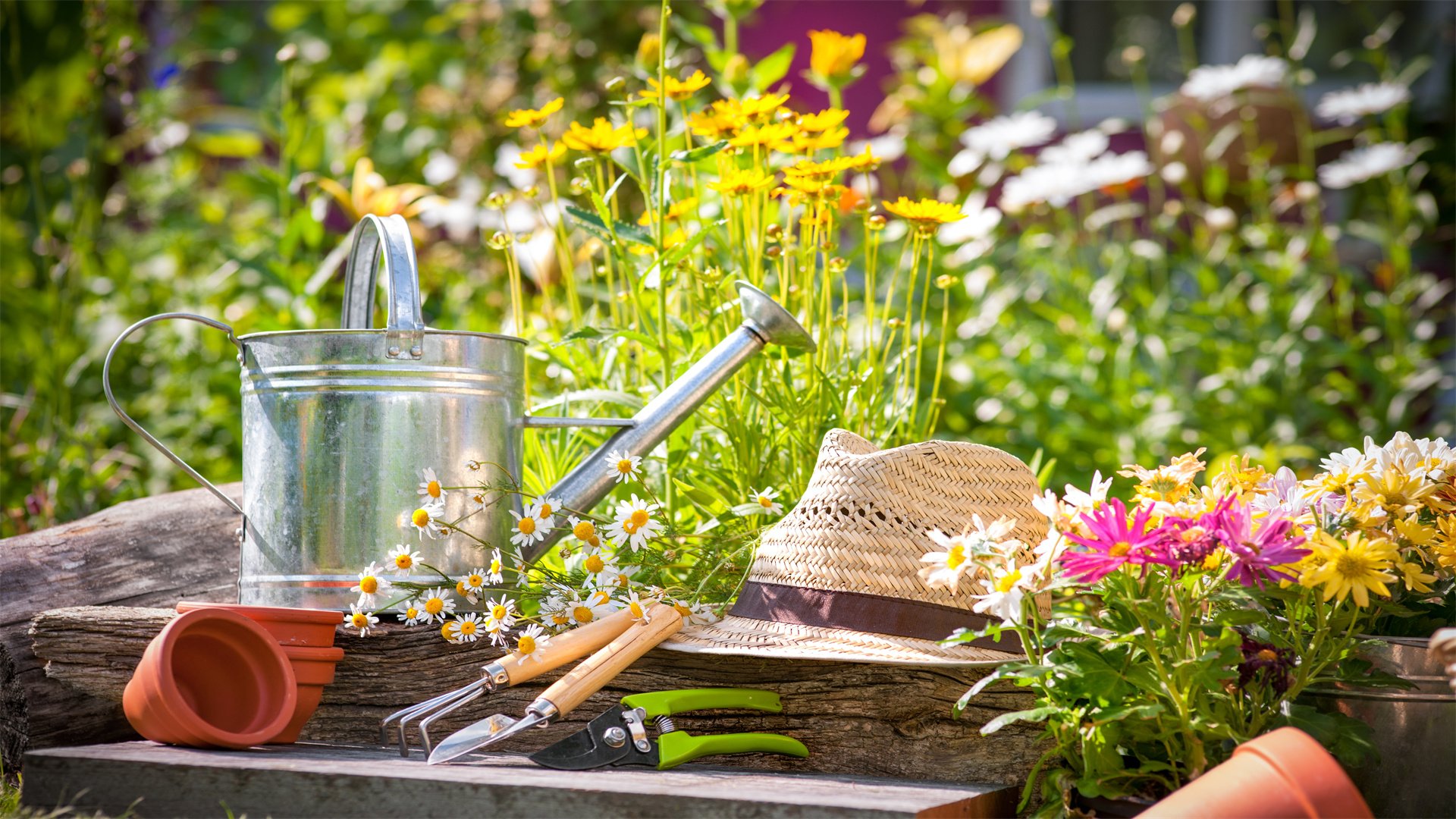
🌸 Spring Gardening Tips
Spring is a time of renewal and growth, making it crucial for setting the foundation for the rest of the year. This season focuses on cleaning, planting, and preparing the garden for the upcoming warmth.
Method One: Soil Preparation and Amendment
Advantages: Proper soil preparation ensures optimal nutrient availability, improves drainage, and encourages robust root development. It sets the stage for healthy plant growth throughout the year.
Disadvantages: It can be labor-intensive and may require investment in soil amendments. If done incorrectly, it might disrupt soil structure or introduce pests.
How to Implement:
- Test your soil pH and nutrient levels using a home testing kit or professional service. Aim for a pH between 6.0 and 7.0 for most plants.
- Remove weeds, debris, and old mulch from garden beds. This prevents disease buildup and allows for better aeration.
- Incorporate organic matter such as compost, well-rotted manure, or leaf mold into the soil. Spread a 2-3 inch layer and till it to a depth of 6-8 inches to enrich the soil.
- Add specific amendments based on soil test results. For example, use lime to raise pH or sulfur to lower it, and apply balanced fertilizers if nutrients are deficient.
- Mulch the soil surface with organic mulch like straw or wood chips to retain moisture, suppress weeds, and regulate temperature.
Method Two: Early Season Planting
Advantages: Planting early allows crops and flowers to establish before summer heat, leading to longer blooming periods and higher yields. It also takes advantage of cool-season plants that thrive in spring.
Disadvantages: Frost risk can damage tender plants, requiring protection measures. It may also involve more monitoring for pests that emerge in spring.
How to Implement:
- Choose cool-season vegetables like lettuce, peas, and broccoli, and hardy annuals such as pansies and snapdragons. Consult local frost dates to time planting accurately.
- Start seeds indoors for warm-season plants like tomatoes and peppers, about 6-8 weeks before the last frost date. Use seed trays with sterile potting mix and provide adequate light.
- Harden off seedlings by gradually exposing them to outdoor conditions over a week before transplanting. This reduces transplant shock.
- Direct sow seeds of root crops like carrots and beets into prepared soil, following packet instructions for depth and spacing.
- Install cloches, row covers, or cold frames to protect early plantings from unexpected frosts. Monitor weather forecasts and remove covers during warm days to prevent overheating.
Method Three: Pruning and Maintenance
Advantages: Spring pruning promotes healthy growth, removes dead or diseased wood, and shapes plants for better aesthetics. It also improves air circulation, reducing disease risk.
Disadvantages: Over-pruning can stress plants or reduce flowering. Incorrect timing might cut off buds on spring-blooming shrubs.
How to Implement:
- Prune deciduous trees and shrubs before new growth emerges, focusing on removing crossed branches, dead limbs, and thinning for structure. For spring bloomers like lilacs, prune immediately after flowering to avoid cutting next year's buds.
- Cut back ornamental grasses and perennials that were left standing over winter. Trim to a few inches above ground to encourage fresh growth.
- Divide overcrowded perennials such as hostas and daylilies. Dig up clumps, separate into smaller sections with roots, and replant in amended soil.
- Inspect plants for signs of pests or diseases, like aphids or powdery mildew. Use organic controls like neem oil or insecticidal soap if needed, and remove affected parts promptly.
- Clean and sharpen gardening tools to ensure efficient cuts and prevent disease transmission. Disinfect tools with a bleach solution after use on diseased plants.
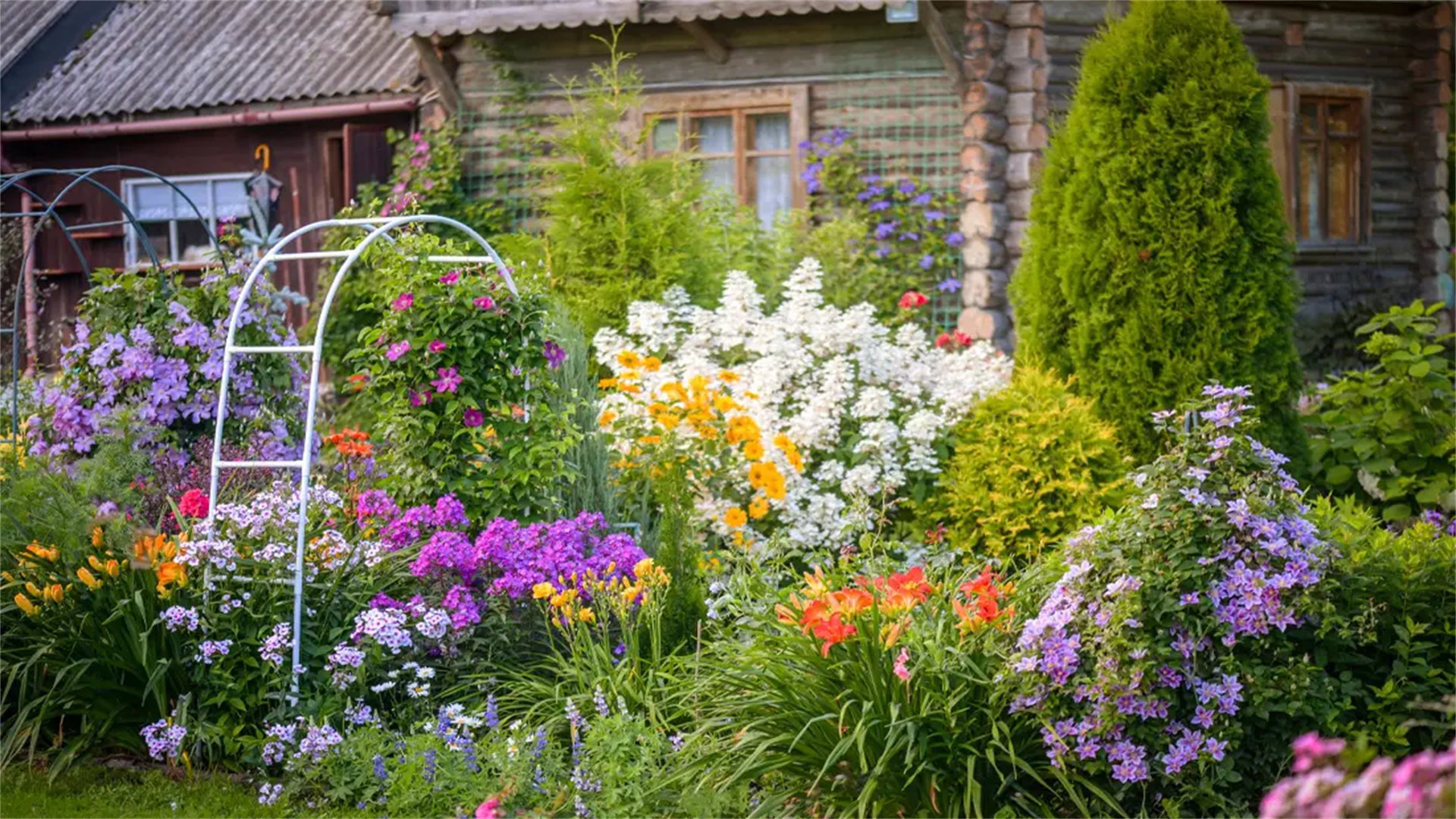
☀️ Summer Gardening Tips
Summer brings warmth and abundance, but also challenges like heat, drought, and pests. Effective summer gardening focuses on maintenance, watering, and enjoying the harvest.
Method One: Efficient Watering Strategies
Advantages: Proper watering conserves water, prevents stress on plants, and promotes deep root growth. It ensures plants thrive during hot periods.
Disadvantages: Overwatering can lead to root rot and fungal diseases, while underwatering causes wilting and reduced yields. It requires consistent monitoring.
How to Implement:
- Water deeply and infrequently to encourage roots to grow downward. Aim for 1-2 inches of water per week, depending on soil type and weather. Use a rain gauge to track rainfall.
- Water early in the morning or late in the evening to reduce evaporation. Avoid wetting foliage to minimize disease risk, especially for plants like tomatoes.
- Install drip irrigation or soaker hoses for efficient delivery. These systems target the root zone and reduce water waste compared to sprinklers.
- Mulch around plants with organic materials like bark or straw to retain soil moisture and keep roots cool. Maintain a 2-3 inch layer, keeping it away from plant stems.
- Group plants with similar water needs together (hydrozoning) to optimize irrigation. For example, place drought-tolerant succulents in one area and moisture-loving ferns in another.
Method Two: Pest and Disease Management
Advantages: Proactive management reduces damage to plants, minimizes chemical use, and supports a healthy ecosystem. It preserves garden aesthetics and productivity.
Disadvantages: It can be time-consuming, and organic methods may require more frequent applications. Some pests are resilient and hard to control.
How to Implement:
- Monitor plants regularly for signs of pests like caterpillars, beetles, or spider mites. Use hand-picking for larger insects or blast them off with water.
- Introduce beneficial insects such as ladybugs, lacewings, or parasitic wasps to control aphids and other pests. Plant companion flowers like marigolds to attract them.
- Apply organic pesticides like horticultural oil or pyrethrin if infestations are severe. Always follow label instructions and spot-treat to avoid harming beneficials.
- Prevent fungal diseases by ensuring good air circulation through proper spacing and pruning. Remove and destroy infected plant parts to prevent spread.
- Use physical barriers like row covers or netting to protect crops from birds or insects. For example, cover berry bushes with netting to prevent bird damage.
Method Three: Harvesting and Succession Planting
Advantages: Regular harvesting encourages continuous production, and succession planting extends the growing season. It maximizes garden yield and reduces waste.
Disadvantages: It requires careful planning and timing. Overharvesting can stress plants, and succession planting may compete for space.
How to Implement:
- Harvest vegetables like zucchini, beans, and cucumbers when they are young and tender to promote more flowering and fruiting. Pick herbs frequently to prevent bolting.
- For flowers, deadhead spent blooms to encourage reblooming. Cut flowers for arrangements in the morning when they are most hydrated.
- Practice succession planting by sowing quick-maturing crops every 2-3 weeks. For example, after harvesting lettuce, plant bush beans or radishes in the same space.
- Interplant fast-growing crops with slow-growing ones to optimize space. For instance, grow lettuce between tomato plants, as lettuce will be harvested before tomatoes need the room.
- Keep a garden journal to track planting dates, varieties, and harvest times. This helps in planning for future seasons and improving yields.
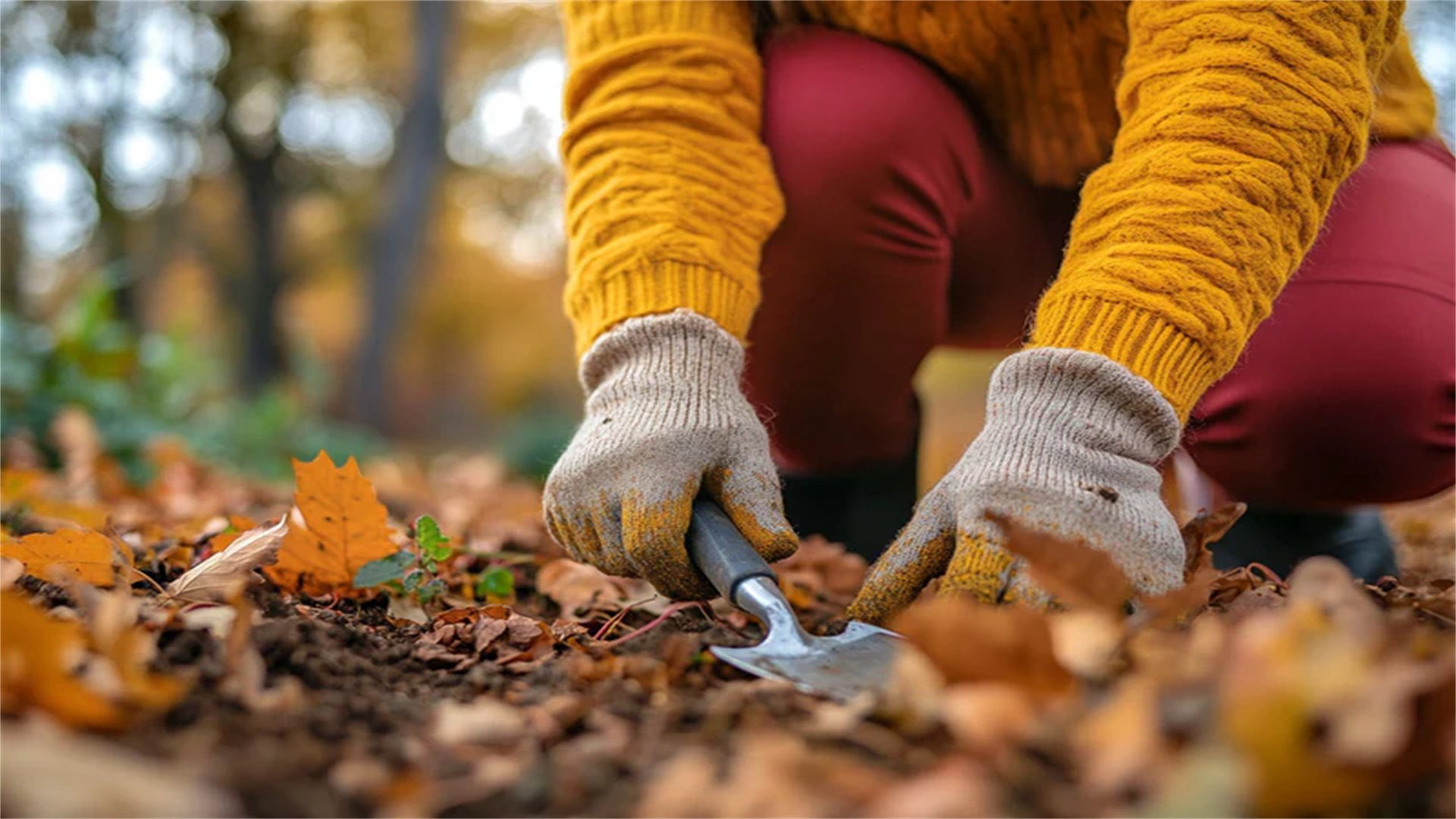
🍂 Fall Gardening Tips
Fall is a transitional season for preparing the garden for winter and planting for next year. It involves cleanup, planting cool crops, and protecting perennials.
Method One: Garden Cleanup and Soil Care
Advantages: Fall cleanup reduces pest and disease carryover, improves soil health, and makes spring tasks easier. It also adds organic matter through leaves and debris.
Disadvantages: It can be messy and time-consuming. Removing all plant material might eliminate habitats for beneficial insects.
How to Implement:
- Remove annual plants that have finished producing and compost healthy material. Discard diseased plants in the trash to prevent contamination.
- Rake and collect fallen leaves to use as leaf mold or mulch. Shred leaves with a mower to speed decomposition and prevent matting.
- Test soil again and amend as needed. Add lime or sulfur based on pH, and incorporate compost or manure to replenish nutrients for next season.
- Plant cover crops like clover or rye in vacant beds to prevent erosion, suppress weeds, and fix nitrogen in the soil. Till them under in spring as green manure.
- Clean and store garden tools, pots, and irrigation systems to prevent damage from freezing temperatures. Drain hoses and store indoors.
Method Two: Planting for Fall and Spring
Advantages: Fall planting allows perennials and bulbs to establish roots before winter, leading to stronger growth in spring. It also extends the harvest with cool-season crops.
Disadvantages: Early frosts can damage tender plants, and some seeds may not germinate in cooling soil. It requires careful timing.
How to Implement:
- Plant spring-blooming bulbs like tulips, daffodils, and crocuses in late fall before the ground freezes. Dig holes 2-3 times the bulb's height and space appropriately.
- Sow cool-season vegetables such as kale, spinach, and garlic. Garlic should be planted a few weeks before the first frost for harvest next summer.
- Transplant perennials and shrubs in early fall, giving them time to root before winter. Water thoroughly and mulch to insulate roots.
- Divide and replant perennials that have become overcrowded, as done in spring. Ensure new divisions are well-watered and protected from frost.
- Use cold frames or hoop houses to extend the growing season for leafy greens and root crops. These structures trap heat and protect from frost.
Method Three: Protecting Plants from Frost
Advantages: Frost protection safeguards tender plants, extends the growing season, and prevents damage to perennials. It allows for later harvests and early spring growth.
Disadvantages: It can be costly if using heaters or row covers, and may require nightly attention during frost warnings.
How to Implement:
- Monitor local frost dates and weather forecasts. Be prepared to act when temperatures are predicted to drop below freezing.
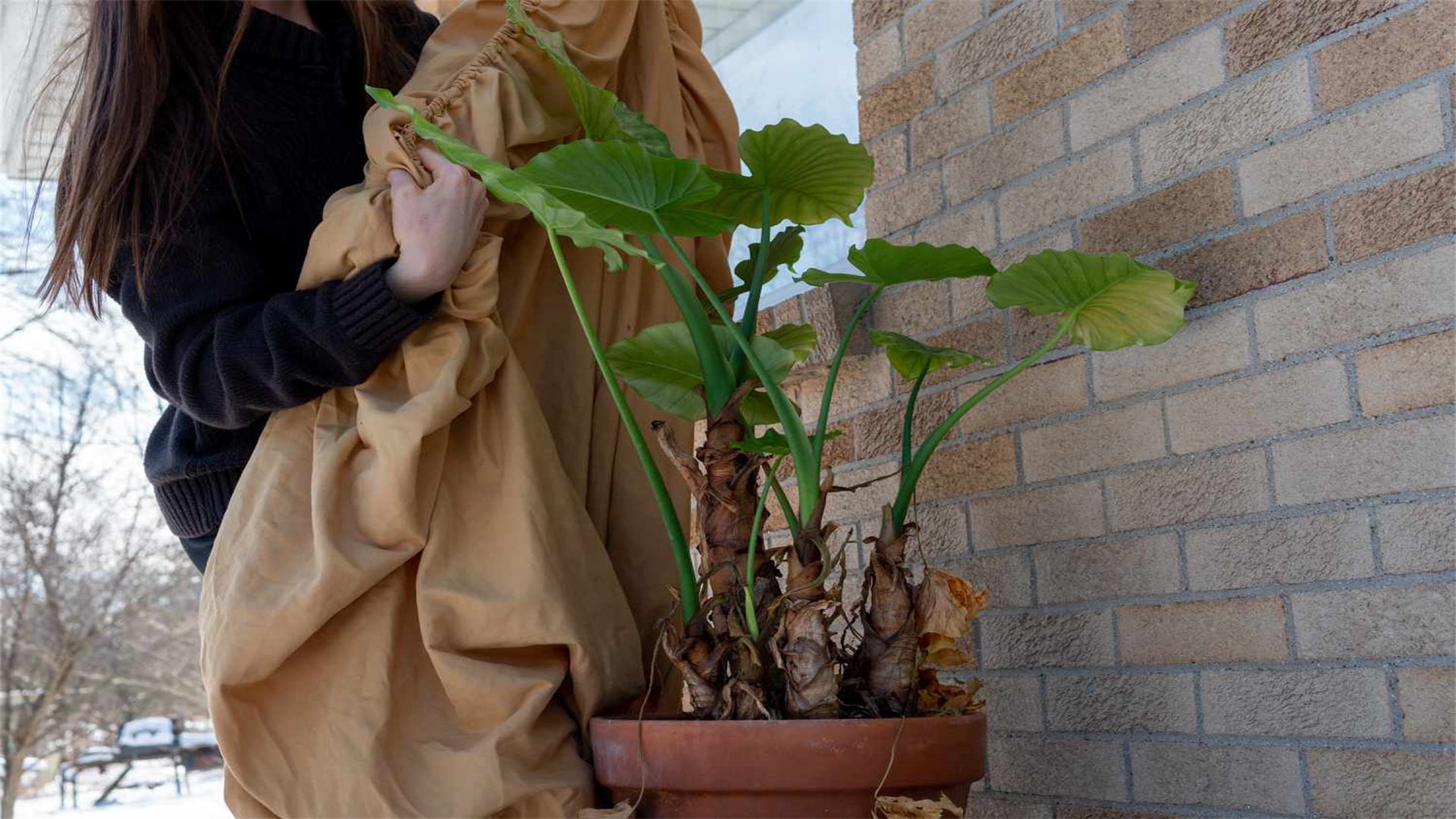
- Cover sensitive plants with frost blankets, old sheets, or burlap. Secure covers to the ground to trap warmth and remove during the day.
- Move container plants indoors or to a sheltered area like a garage or porch. Group pots together to create a microclimate.
- Water the soil thoroughly before a frost event, as moist soil retains heat better than dry soil. Avoid wetting foliage to prevent ice damage.
- Use mulch heavily around the base of perennials, roses, and shrubs to insulate roots. Apply a 4-6 inch layer of straw or leaves, but keep it away from stems to prevent rot.
❄️ Winter Gardening Tips
Winter is often seen as a dormant period, but it offers opportunities for planning, maintenance, and even growing in mild climates. It's a time to reflect and prepare for spring.
Method One: Indoor Gardening and Seed Starting
Advantages: Indoor gardening keeps the hobby alive during cold months, and seed starting gives a head start on spring planting. It allows for experimenting with new varieties.
Disadvantages: It requires space, lighting, and consistent care. Seedlings can become leggy if light is insufficient, and indoor pests may emerge.
How to Implement:
- Set up a seed starting area with grow lights, heat mats, and trays. Use sterile seed starting mix to prevent damping-off disease.
- Sow seeds of slow-growing plants like peppers, onions, and petunias 8-12 weeks before the last frost date. Follow packet instructions for depth and temperature.
- Maintain indoor plants like herbs, succulents, or houseplants. Provide adequate light near south-facing windows or under LED grow lights, and water when soil feels dry.
- Monitor for pests such as spider mites or fungus gnats. Use yellow sticky traps or insecticidal soap for control, and ensure good air circulation.
- Plan your garden layout for the upcoming year. Use catalogs or online resources to select plants, and draw diagrams to optimize space and companion planting.
Method Two: Outdoor Winter Care
Advantages: Proper winter care protects plants from cold damage, reduces spring cleanup, and supports wildlife. It maintains garden structure and interest.
Disadvantages: It may involve braving cold weather, and some tasks like pruning are limited to avoid winter injury.
How to Implement:
- Leave some perennials and ornamental grasses standing to provide winter interest and habitat for birds and insects. Cut back in early spring.
- Protect young trees and shrubs from rodent damage by wrapping trunks with hardware cloth or tree guards. Remove in spring to prevent girdling.
- Shake heavy snow off branches of evergreens and shrubs to prevent breakage. Use a broom gently to avoid damaging buds.
- Apply anti-desiccant sprays to broadleaf evergreens like rhododendrons to reduce moisture loss from winter winds. Follow label directions for timing.
- Check stored bulbs, tubers, and produce for rot or dehydration. Store in a cool, dry place and discard any that show signs of disease.
Method Three: Tool Maintenance and Planning
Advantages: Winter is ideal for tool maintenance, ensuring efficiency and longevity. Planning ahead saves time and money during the busy growing season.
Disadvantages: It can be tedious, and procrastination might lead to rusty tools or missed planting deadlines.
How to Implement:
- Clean, sharpen, and oil all gardening tools, including pruners, shovels, and hoes. Use a file for sharpening and linseed oil for wooden handles.
- Inventory seeds, fertilizers, and supplies. Order missing items early to avoid shortages in spring. Store seeds in a cool, dry place in labeled containers.
- Attend gardening workshops or webinars to learn new techniques. Join local gardening clubs or online forums for inspiration and advice.
- Create a gardening calendar with tasks for each month based on your climate zone. Include planting dates, pruning times, and fertilizer applications.
- Reflect on the past year's successes and failures. Note what worked well and what to change, using your garden journal as a reference.
🏆 Conclusion: Achieving Year-Round Beauty
Seasonal gardening is a dynamic process that requires adaptation and foresight. By implementing the tips outlined for spring, summer, fall, and winter, you can create a garden that offers continuous beauty and productivity. Remember to focus on soil health, plant selection, and timely maintenance to overcome seasonal challenges. Embrace the cycles of nature, and your garden will reward you with vibrant colors, lush foliage, and bountiful harvests throughout the year. Start planning today, and enjoy the journey of cultivating a space that evolves with the seasons, providing joy and tranquility in every month.
Advertisement